
This is the first time I’ve made homemade pasta and, since I really love filled pasta, I thought I’d start straight away with ravioli. 😁
The classic combination for spinach ravioli is probably spinach and ricotta. I decided to go with spinach and feta instead because I really love the slightly salty flavor and the texture feta gives to the filling.
Honestly, I don’t understand why it isn’t a more established combination. 🙃 For me, it’s already one of the classics. Feta pairs really well with spinach, and I find that it gives the filling much more personality than a milder, more neutral cheese.
I’ll admit, I thought making ravioli at home was going to be much more complicated. The pasta dough is actually quite simple, but rolling it out was the part that took a bit more work. I had never rolled out such a tough dough before, so I also got a little “upper-body workout” in the kitchen. 😆
If you have a pasta maker or a pasta sheet attachment for a stand mixer, the whole process is obviously much easier. I didn’t have one at the time, so I made do with a rolling pin.
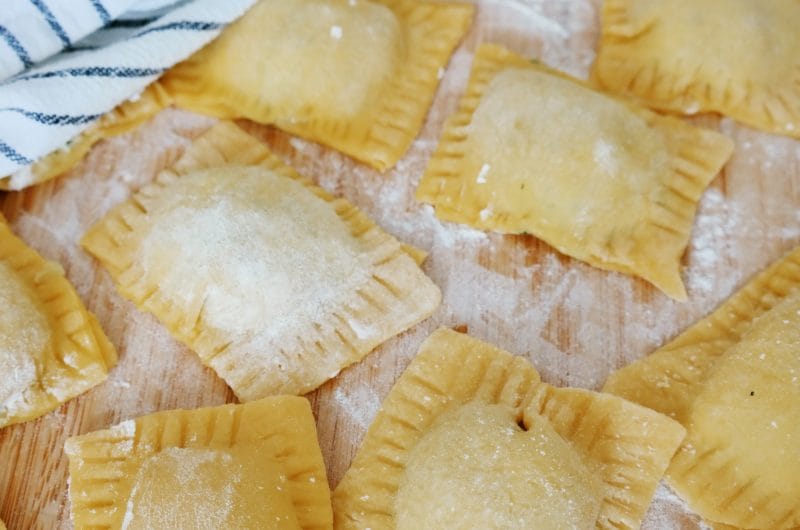
The result was homemade ravioli with thin pasta dough and a creamy, flavorful filling with just the right amount of saltiness from the feta. I served them with a simple tomato and basil sauce, which I think pairs really well with the filling.

Tips for Homemade Ravioli
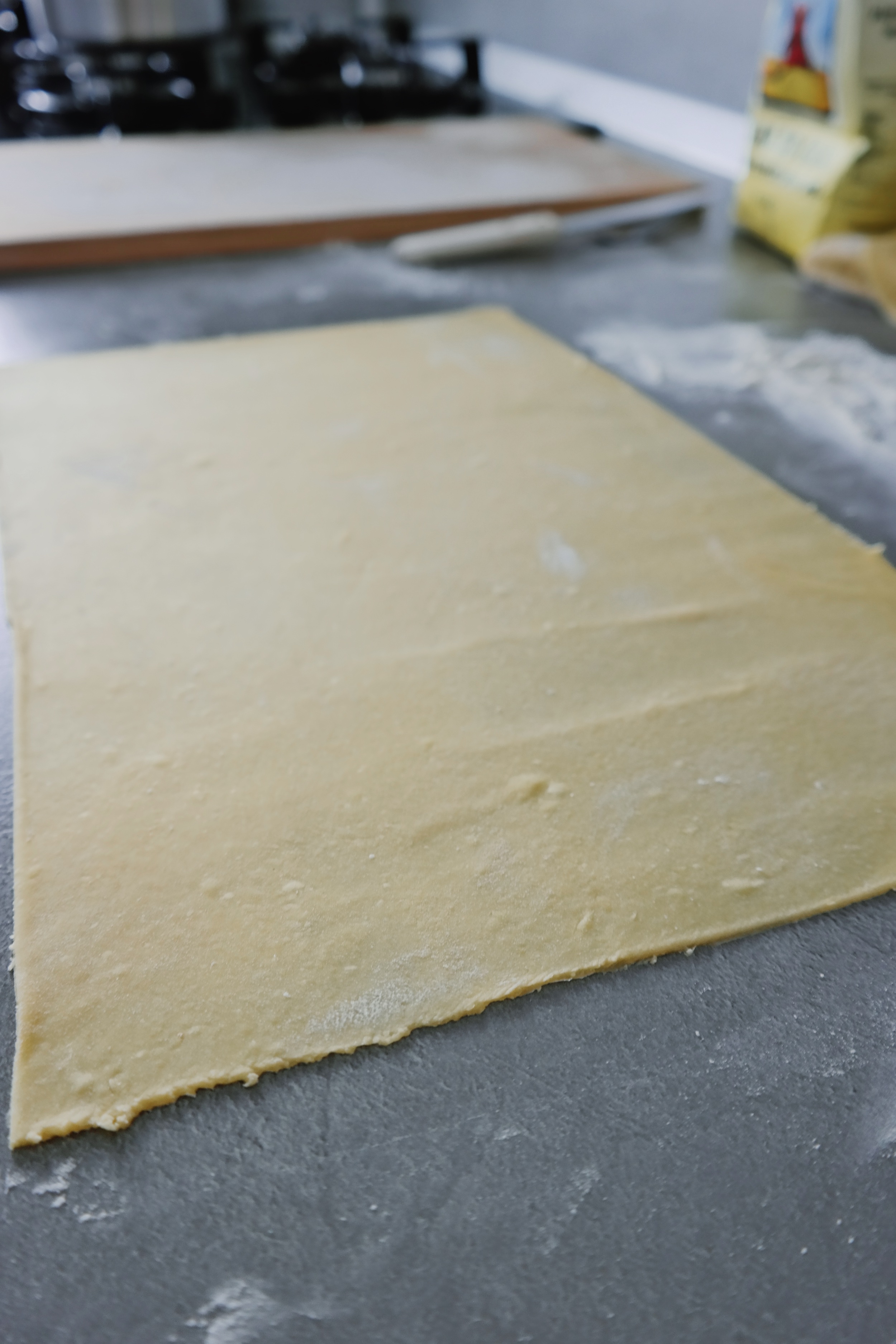
Roll the dough as thin as possible. Ravioli shouldn’t have a thick layer of pasta dough around the filling. If you’re using a pasta maker, it’s much easier to get thin, even sheets. A rolling pin works too, but it takes a little more patience and muscle. 😀
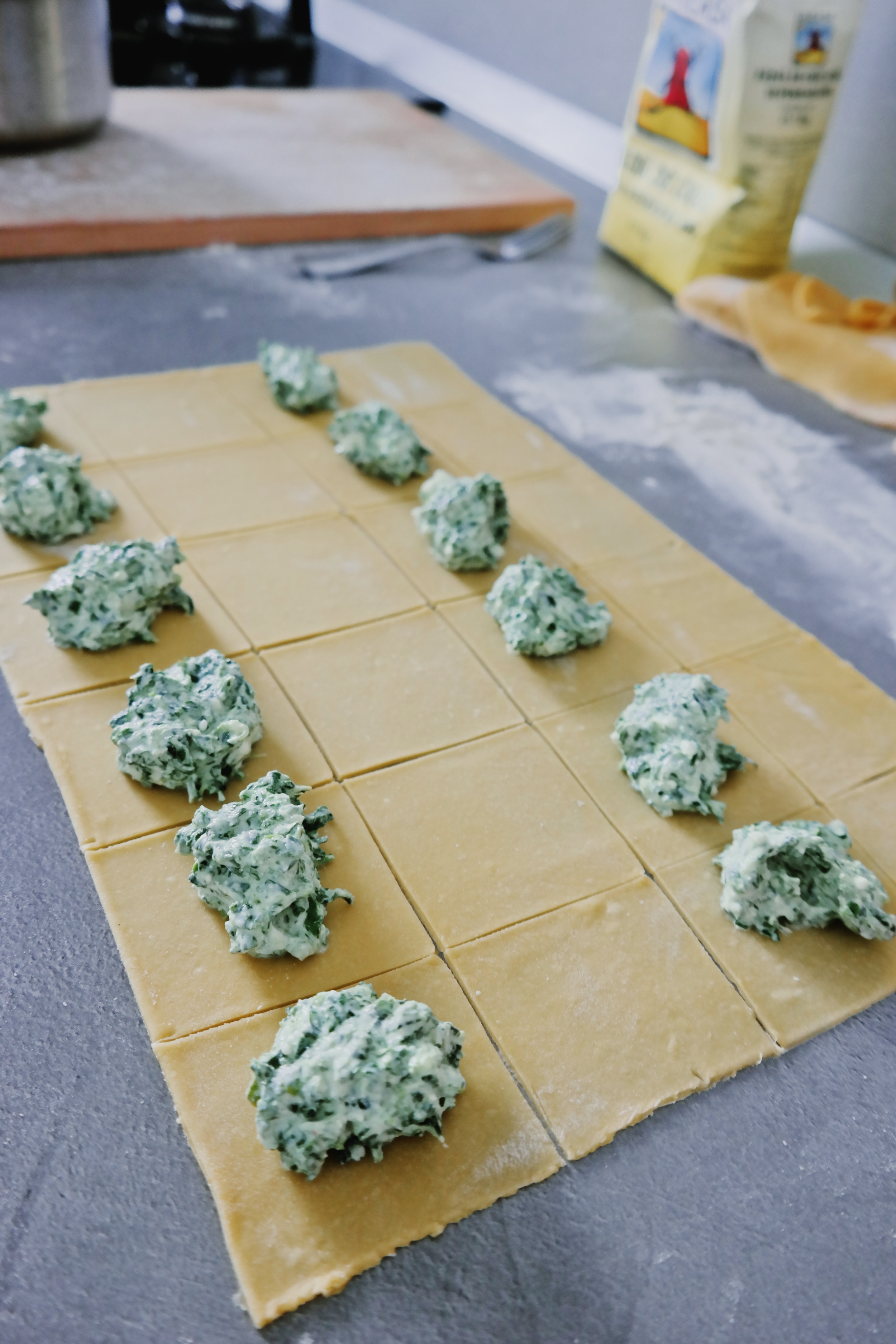
Don’t overfill the ravioli. I know, the temptation is strong, especially when the filling is this good. But ravioli that are too full are harder to seal, and there’s a greater chance they’ll open up while cooking.
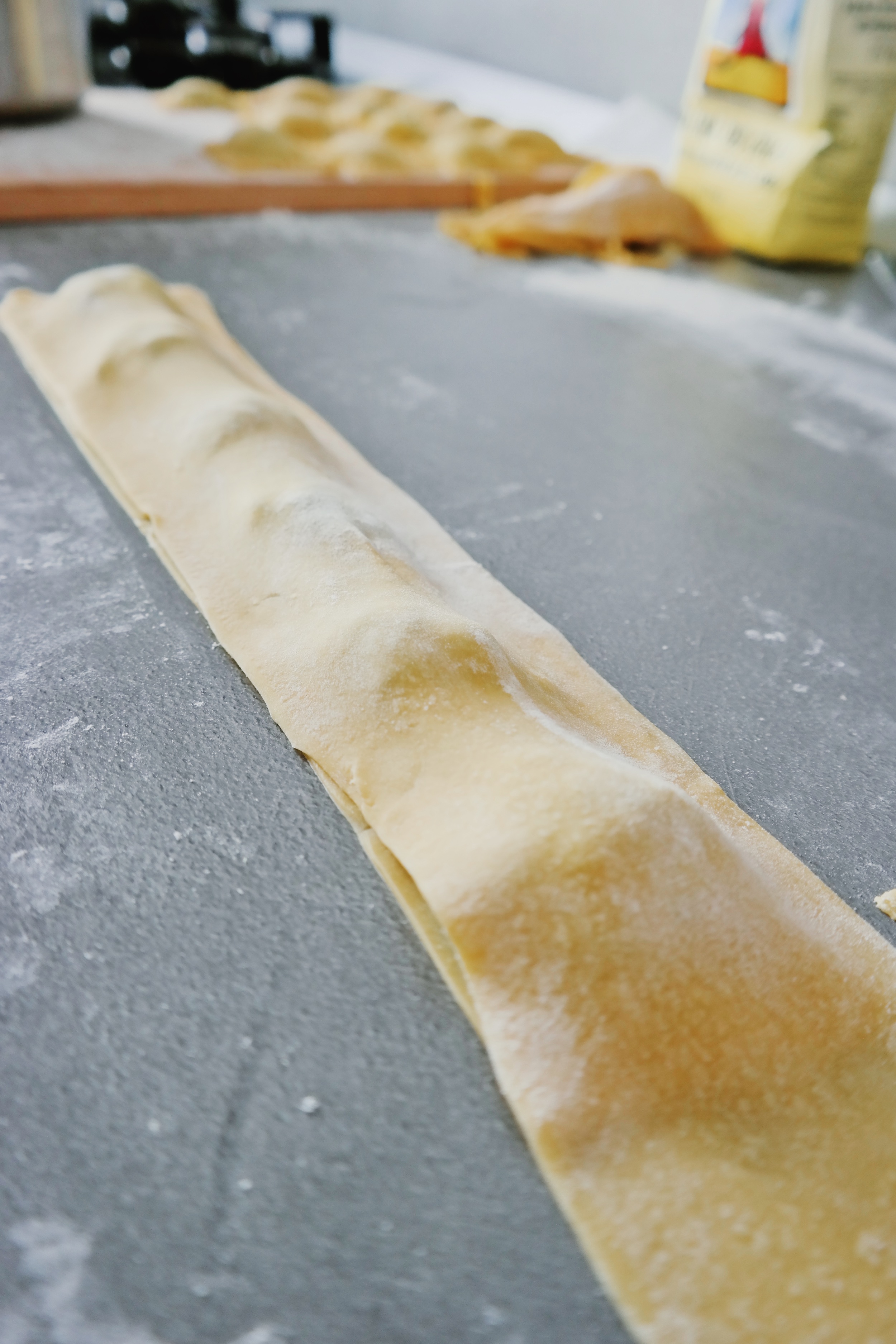
Try to leave as little air inside as possible. Once you place the second sheet of dough over the filling, gently press around each mound of filling to push out any air pockets before cutting the ravioli. This helps the edges stick together better and makes the ravioli less likely to open while cooking.
Seal the edges well. You can lightly moisten the edges of the dough before pressing them together if needed. The important thing is to keep the filling inside the ravioli, not floating around in your pasta water. 😆 You can also use a ravioli cutter, which helps both seal the edges and create perfectly square ravioli.
Keep the pasta sheets covered. Fresh pasta dough can dry out fairly quickly. If you’re working in batches, keep the portions you’re not using covered so they stay soft, flexible, and easy to work with.
Be careful with the salt. Feta can be quite salty, and how much additional salt you need depends a lot on the type of feta you’re using. I always recommend tasting the filling before adding any extra salt.
And don’t worry if your first ravioli don’t come out perfect. Mine were definitely more “homemade” than Italian-restaurant standards. In the end, it’s the taste that matters most.
Frequently Asked Questions
Can I use ricotta instead of feta?
Absolutely. Spinach and ricotta are the classic combination for ravioli and work really well together. I chose feta simply because I prefer its salty flavor and texture in this particular filling.
Can I make ravioli without a pasta maker?
Yes. I made mine with a rolling pin. A pasta maker makes it easier to get thin, even sheets of dough, but it’s definitely not essential.
Why do ravioli fall apart while cooking?
Usually, it’s because the edges weren’t sealed well enough or too much air was left around the filling. Another possible reason is using too much filling, which can make it harder to seal the ravioli properly.
Can I freeze homemade ravioli?
Yes. Freeze the ravioli in a single layer first, then transfer them to a container or freezer bag. You can cook them straight from frozen without thawing them first.
What sauce goes well with spinach and feta ravioli?
I prefer a simple tomato and basil sauce. The acidity of the tomatoes balances the saltiness of the feta really well without overpowering the filling. They’re also delicious with a creamy white sauce if you prefer something richer.
Spinach and Feta Ravioli – Homemade Pasta Recipe
4
servings1
hour10
minutes480
kcalHomemade ravioli made with fresh pasta dough and a flavorful filling of spinach, feta cheese, garlic, and nutmeg.
Ingredients
- Pasta Dough
250 g flour
3 eggs
1 tablespoon olive oil
¼ teaspoon salt
- Filling
200 g frozen chopped spinach
150 g feta cheese
2 small garlic cloves, or 1 large clove
a pinch of freshly grated nutmeg
Directions
- Making the Pasta Dough
- Add all the ingredients to the bowl of a stand mixer. Attach the paddle attachment and mix for a few seconds on the lowest speed, until the ingredients come together. Replace the paddle attachment with the dough hook and knead for 10 minutes on the lowest speed.
- Wrap the dough in plastic wrap and refrigerate for 30 minutes.
- Making the Filling
- Meanwhile, prepare the filling. Place the spinach in a saucepan over low heat and cook until thawed. Add the finely chopped garlic and cook for another 2–3 minutes.
- Remove the saucepan from the heat and add the nutmeg and finely crumbled feta cheese. Mix until well combined. If the feta is salty enough, there’s no need to add any extra salt; adjust to taste if needed.
- Shaping the Ravioli
- Remove the dough from the refrigerator and lightly flour your work surface. Roll out the dough as thinly as possible – the thinner, the better.
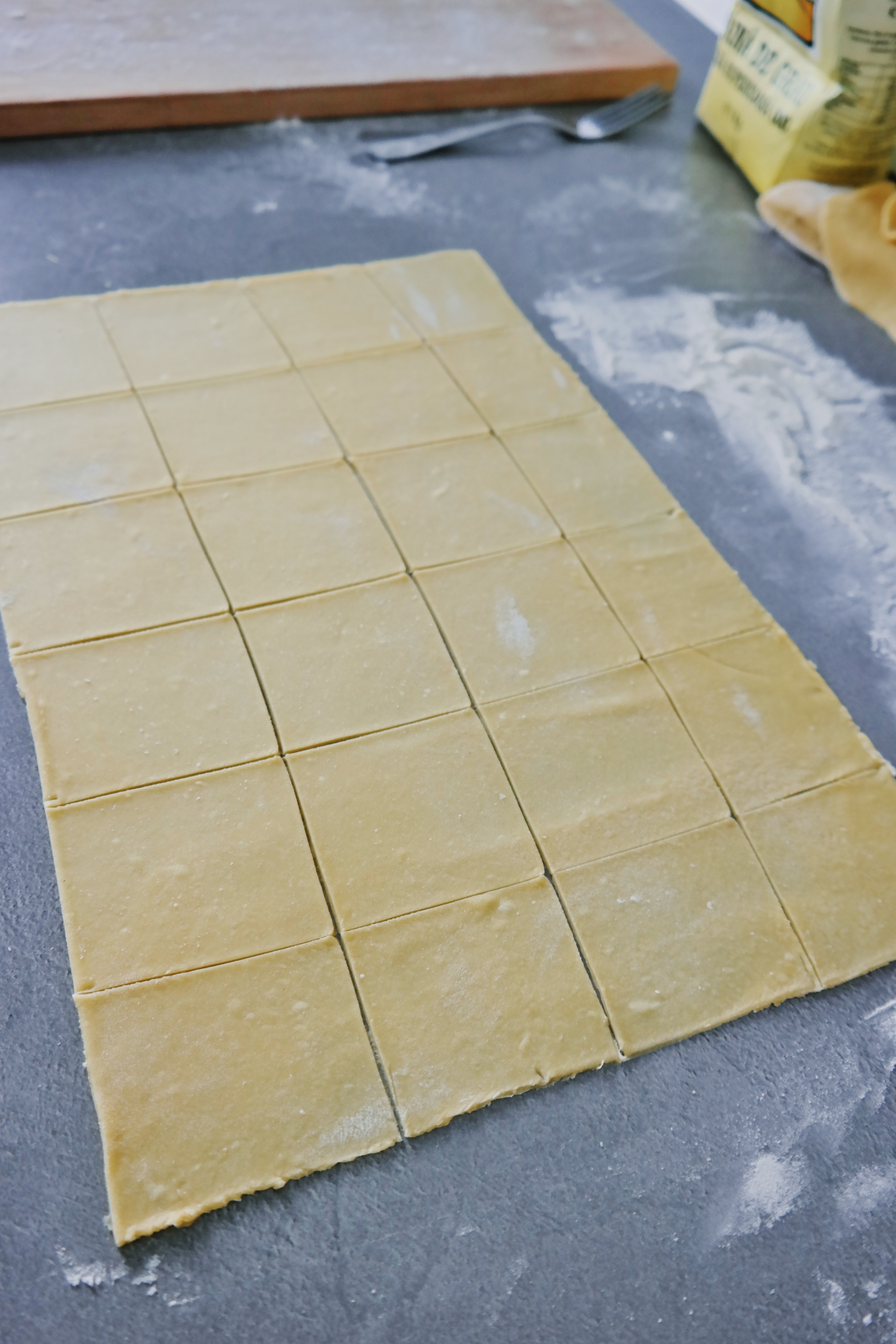
- You can choose any shape you like for the ravioli. For this recipe, cut the dough into squares approximately 6 cm (2.4 inches) wide. Add the filling and seal the edges well to prevent the filling from escaping during cooking. Leave the ravioli to dry on a clean kitchen towel for a few hours.
- Cooking the Ravioli
- Cook the ravioli in salted water for approximately 3–4 minutes, until they rise to the surface. Transfer them to the sauce and cook for a few more minutes over low heat, allowing the pasta to absorb and combine with the sauce.
This post contains affiliate links. If you choose to make a purchase, book an activity, or use a service through these links, I may receive a small commission at no additional cost to you.