I’ve always been fascinated by dough. When I was little, I remember sitting next to my mom while she kneaded dough for pies or doughnuts. She would tear off a little piece and let me knead it too. ❤️
Over the years, I’ve tried all kinds of dough recipes: cozonac, pizza, puff pastry, doughnuts… Some turned out perfectly, while others not so much. 😀 But that’s exactly what I love about cooking: trying new things and seeing how they turn out.
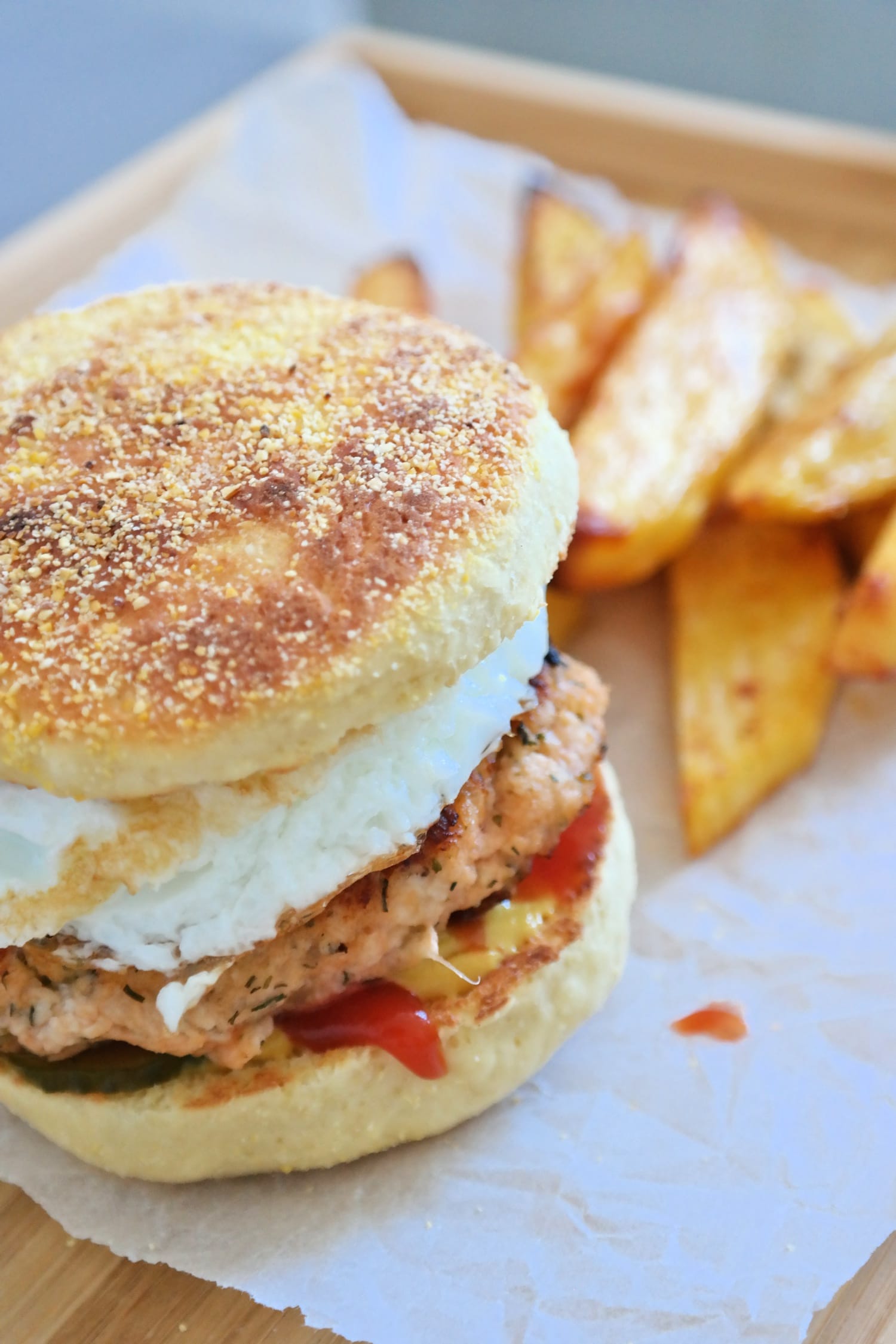
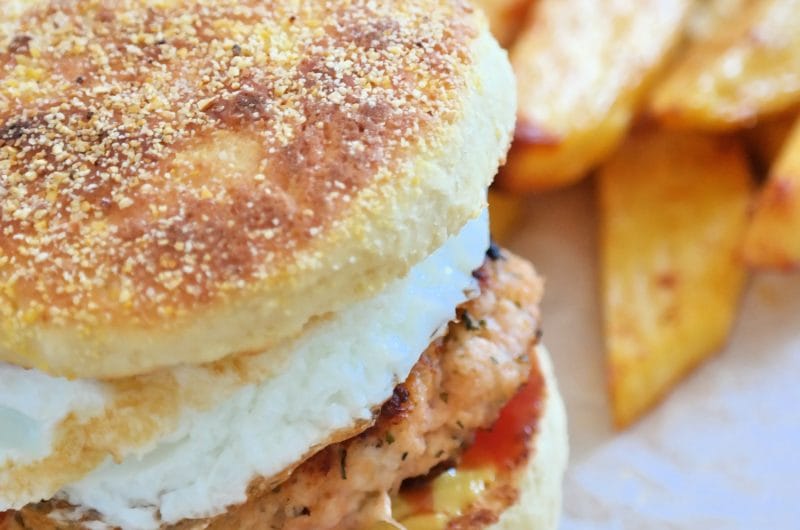
English muffins made it onto my list of recipes to try after I discovered them at McDonald’s as part of their breakfast menu. And because I wanted to make a healthier version at home, I decided to recreate the wonderful “Sausage McMuffin” from scratch, right in my own kitchen. 😁
And, of course, the first thing I needed was the English muffins.
What I found interesting about them is that they aren’t baked in the oven. Instead, English muffins are cooked directly in a pan on the stovetop. I’ll admit, I was a little skeptical at first. I couldn’t quite imagine how a yeasted dough would turn out when cooked in a pan. 😆
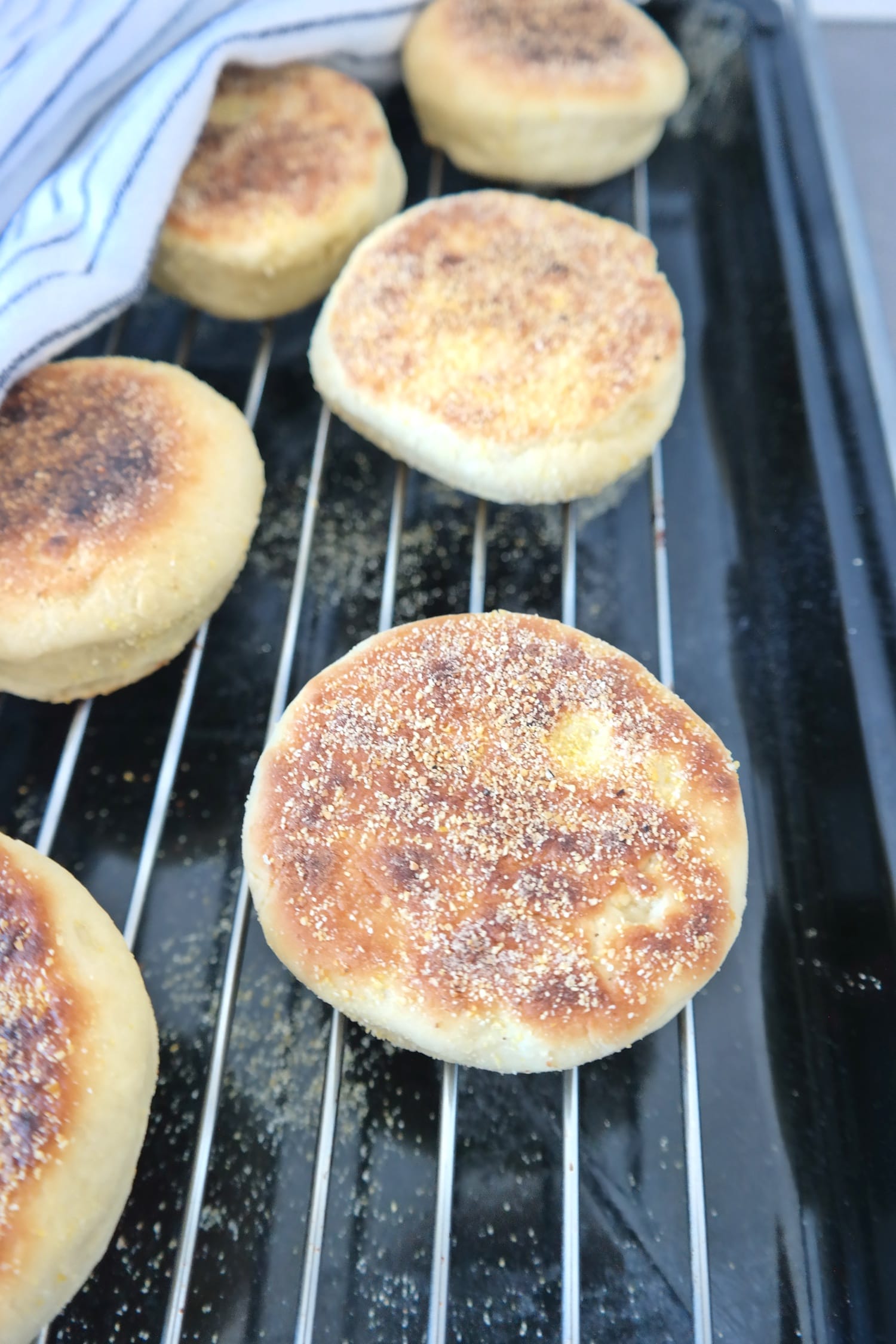
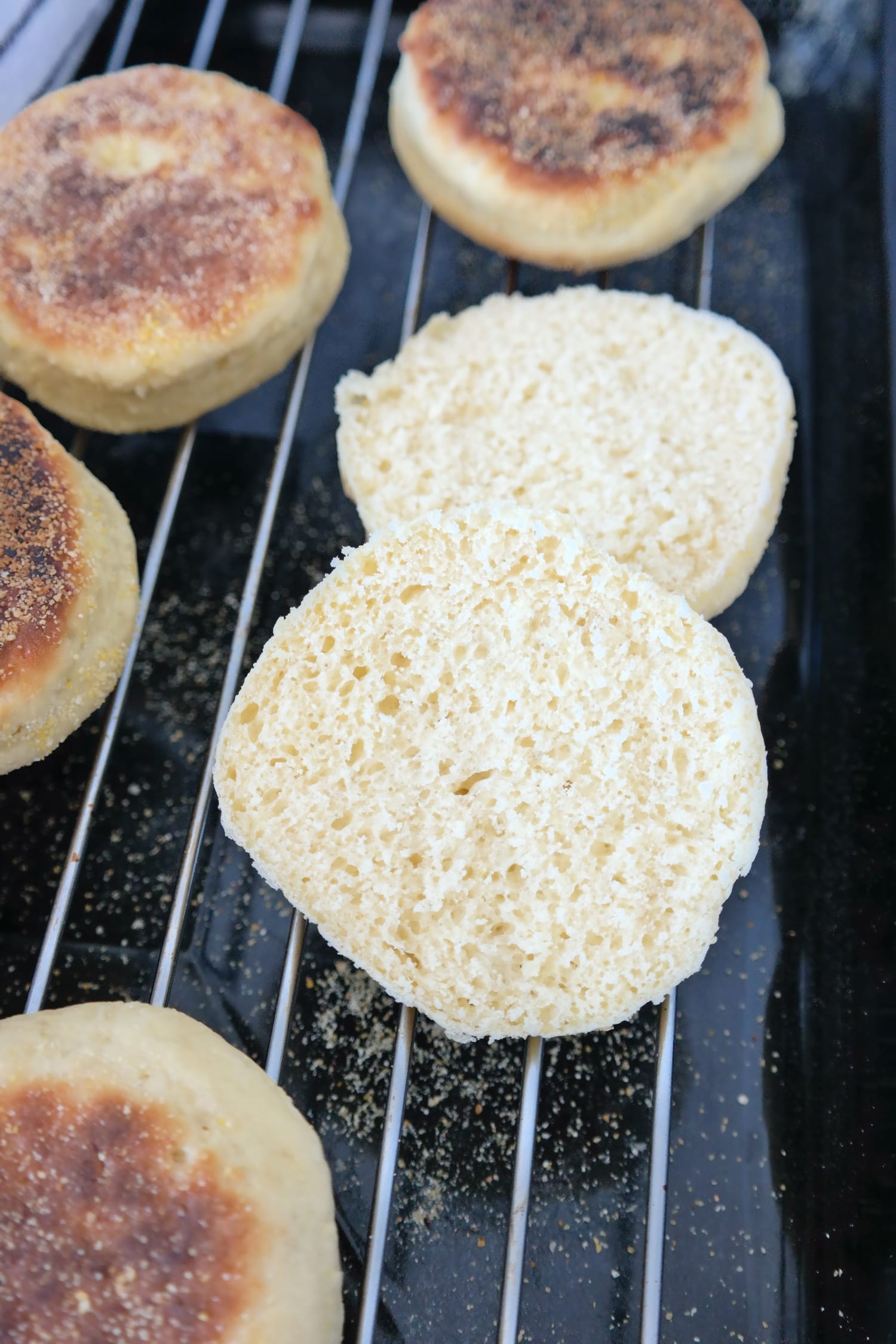
But they turned out really well: soft and fluffy on the inside, lightly golden on the outside, with that distinctive texture you expect from English muffins.
And the best part is that they’re incredibly versatile. You can use them for a savory breakfast with eggs, cheese, ham or sausage, but they’re just as delicious with butter, honey or jam.
What Are English Muffins, Exactly?
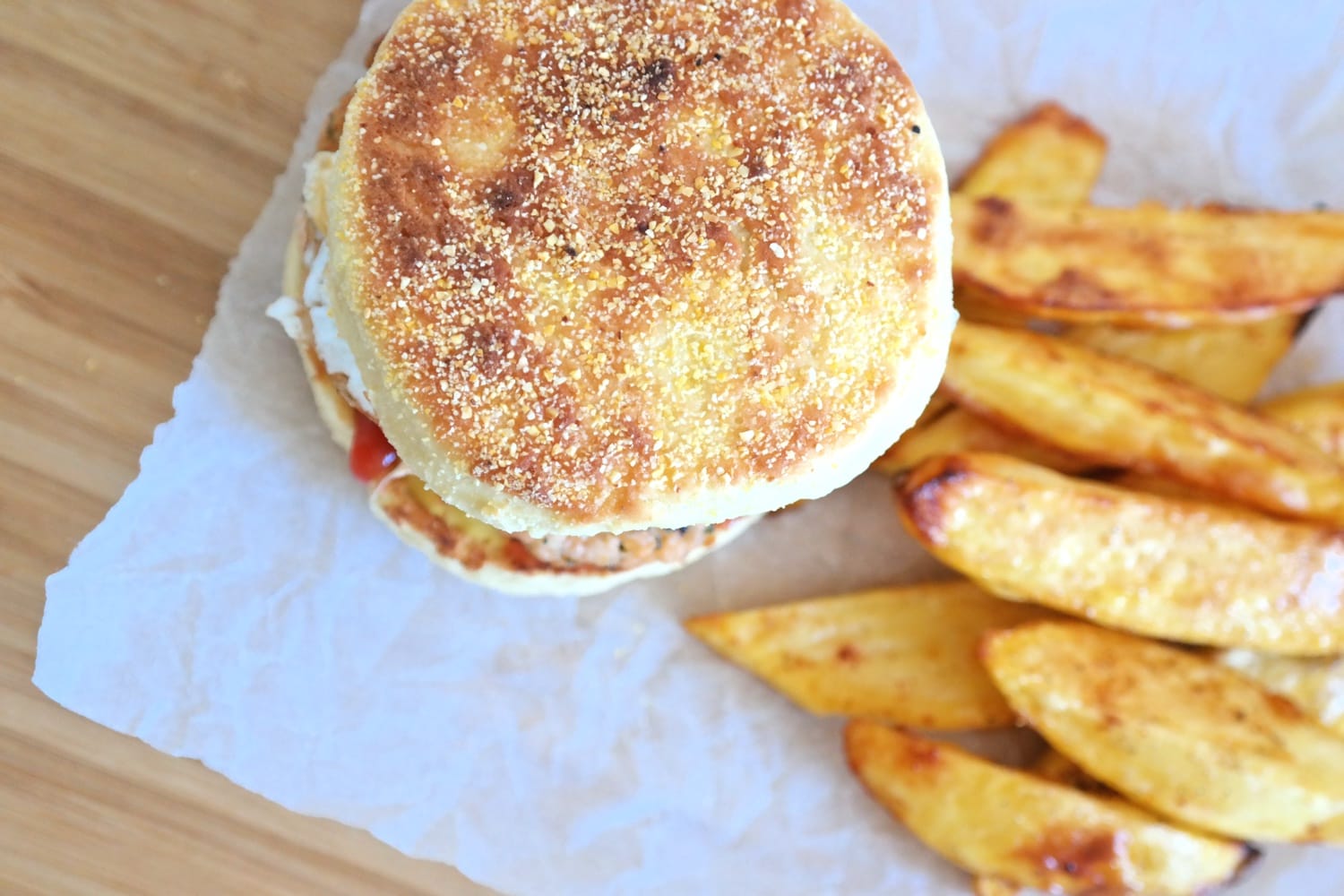
English muffins are small, round, slightly flattened breads made with yeast and traditionally cooked in a pan or on a griddle.
Unlike the sweet muffins we usually think of when we hear the word “muffin”, English muffins aren’t a dessert. They’re more like small, fluffy breads that are perfect for breakfast.
They have a lightly golden, slightly crisp exterior, while the inside is soft and airy. And if you split them in half and toast them lightly before serving, they’re even better.
Tips for Making Fluffy English Muffins
If this is your first time making English muffins, there are a few things worth keeping in mind.
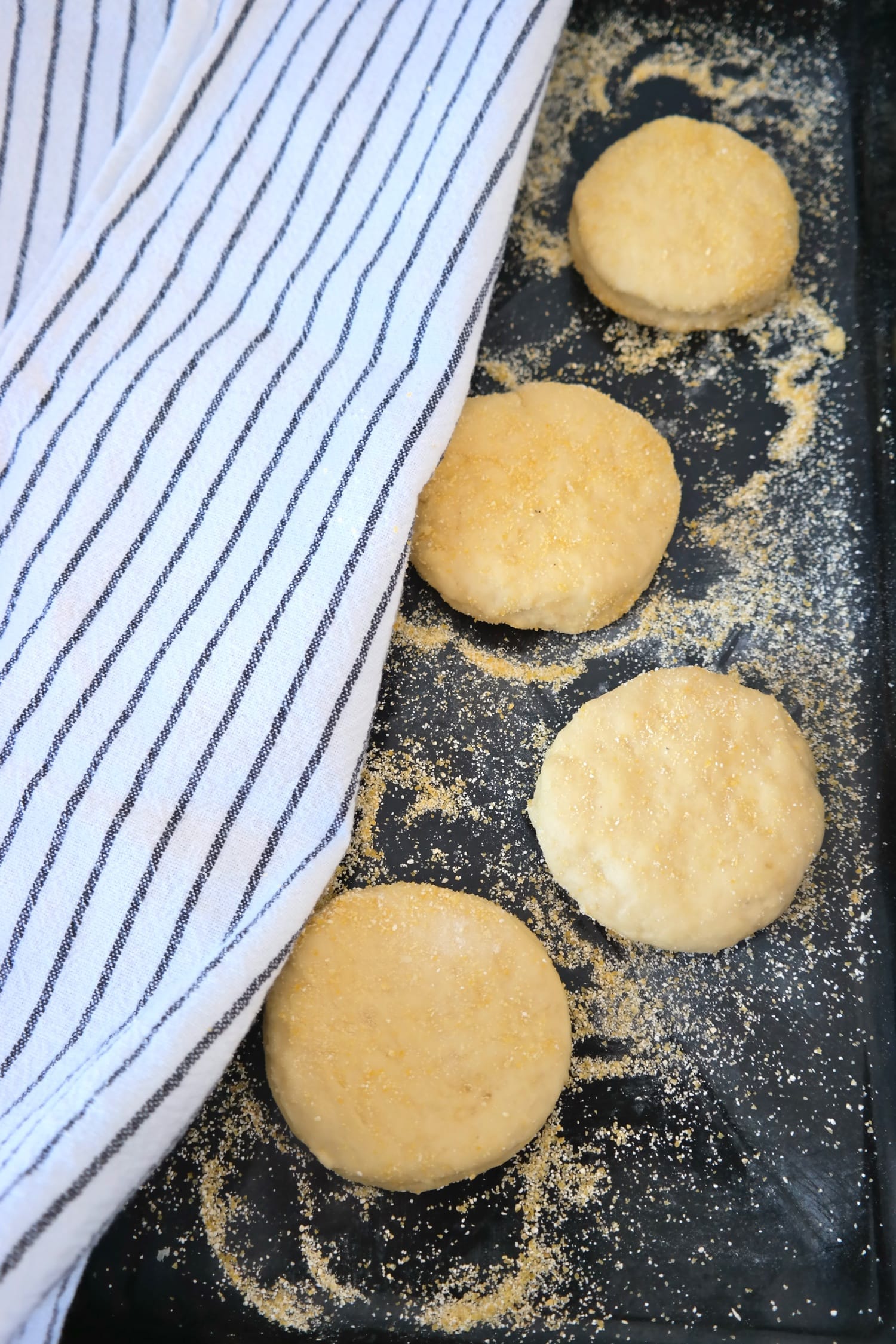
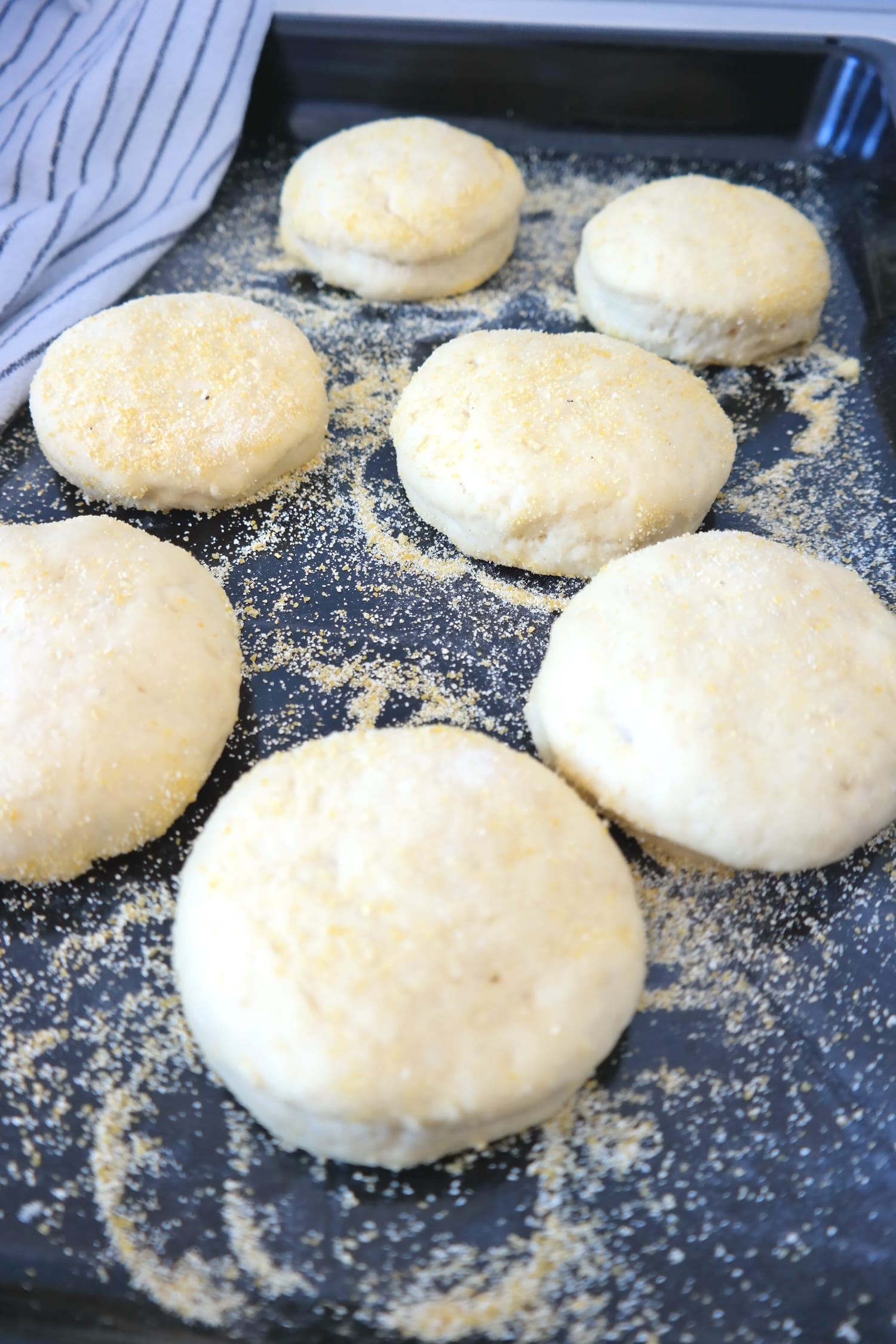
Don’t add too much flour. The dough is soft and slightly sticky. I know it’s tempting to keep adding flour until it no longer sticks, but in this case, you may end up with denser English muffins.
Give the dough enough time to rise. It’s important to let the yeast do its job. If your kitchen is on the cooler side, the dough may need a little more time to rise.
Let the muffins rise again after shaping them. This extra resting time helps give them a lighter, fluffier texture.
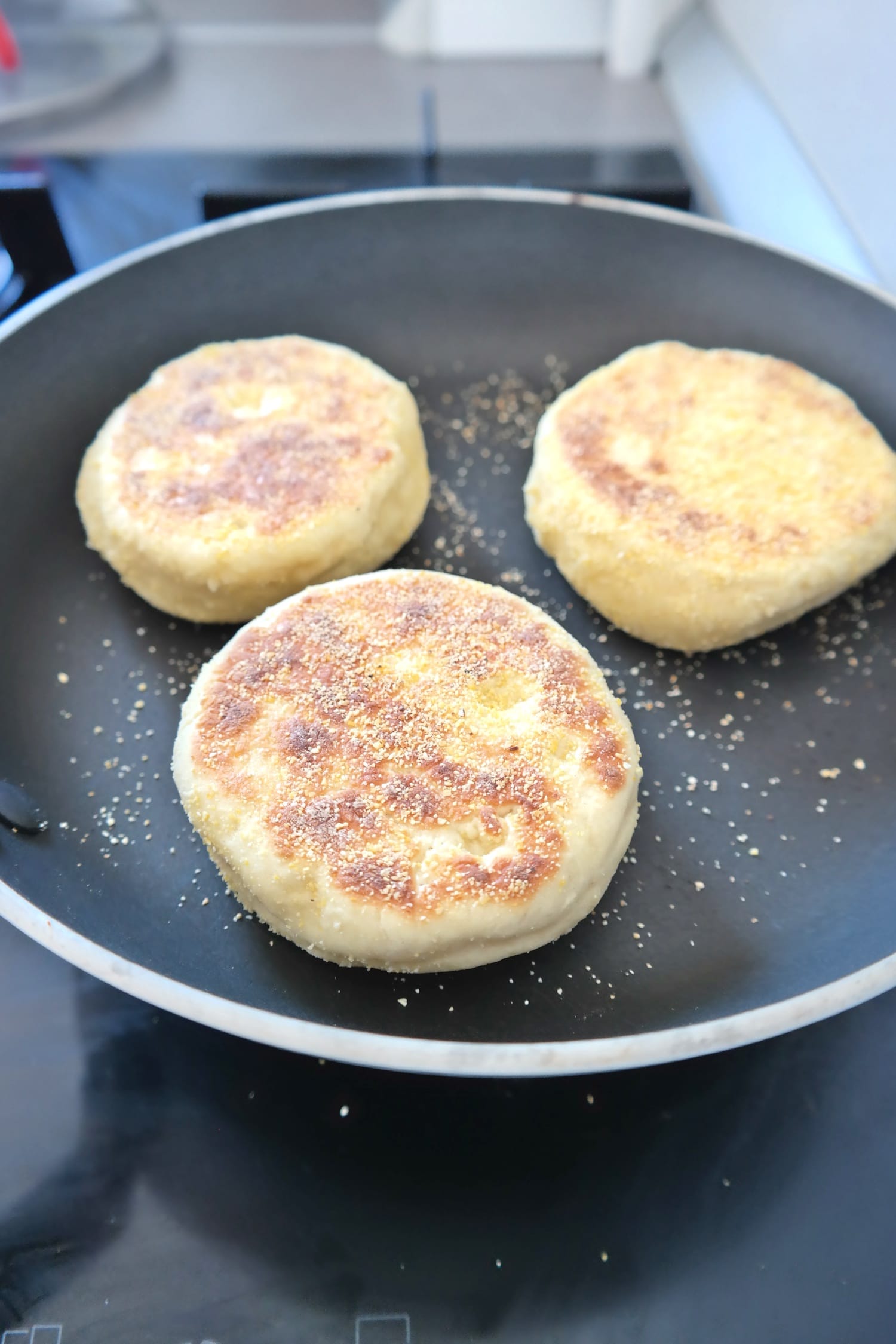
Cook them over low heat. This is probably the most important rule when making stovetop English muffins. If the heat is too high, they’ll brown too quickly on the outside while the inside may still be undercooked.
Don’t press them down in the pan. Let them keep their shape and rise as they cook.
Don’t overcrowd the pan. It’s better to cook the muffins in batches than to squeeze too many into the pan at once.
One more thing: if you use cornmeal to coat the muffins, some of it may remain in the pan and start to burn. If you’re cooking them in several batches, clean the pan between batches to prevent the burnt cornmeal from giving the muffins a bitter taste.
How to Store English Muffins
English muffins are best when fresh, but if you have any leftovers, you can store them in an airtight container.
Before serving, you can warm them up or, even better, split them in half and lightly toast them in a pan or toaster. This gives them a slightly crisp exterior while keeping the inside soft.
Frequently Asked Questions
Are English muffins baked in the oven?
No. For this recipe, the English muffins are cooked directly in a pan over low heat. That’s one of the things that makes them so interesting!
Can I replace the cornmeal with semolina?
Yes, you can replace the cornmeal with semolina. The muffins will still have a lightly crisp exterior, and the result is just as good. In fact, semolina is also used in other traditional English muffin recipes to coat the dough before cooking.
Why aren’t my English muffins fluffy?
The dough may have needed more time to rise, or too much flour may have been added. It’s important not to keep adding flour just to make the dough less sticky, as this can result in denser English muffins.
The cooking temperature also makes a big difference. If the heat is too high, the muffins will brown on the outside before they have enough time to cook through.
Can I freeze English muffins?
Yes, you can freeze them once they have cooled completely. When you’re ready to eat them, let them thaw and then warm or lightly toast them before serving.
More Yeast Dough Recipes
If you enjoy recipes made with yeast dough, here are a few more ideas from the blog that are worth trying:
Stovetop English Muffins – Simple and Fluffy Recipe
7
muffins1
hour45
minutes20
minutes185
kcalFluffy English muffins with a lightly crisp exterior, perfect for breakfast or homemade sandwiches. They’re easy to cook directly in a pan, with no oil needed.
Ingredients
- For 7 English muffins
250 g all-purpose flour
1 teaspoon active dry yeast
90 ml milk
60 ml water
25 g butter
1 small egg
1/2 teaspoon salt
1 tablespoon sugar
cornmeal or semolina
Directions
- Place the milk, water, and sugar in a saucepan over low heat and stir until the sugar has dissolved. Be careful not to let the mixture boil! If it gets too hot, set it aside to cool. Add the yeast and leave it for a few minutes, until the yeast has activated.
- Once the yeast has activated, add the egg and melted butter and mix until well combined.
- Add the flour and salt to a bowl. Pour the liquid mixture over the top and mix for approximately 8–10 minutes, until the dough becomes elastic and glossy. The dough will be soft, don’t panic, that’s how it should be.
- Cover the bowl with plastic wrap and let the dough rise for 1 hour. For a warm place to rise, you can heat the oven to 40°C (104°F) and place the bowl inside. This helps maintain a consistent temperature and avoids temperature changes in the room that could affect the dough.
- Once the dough has doubled in size, transfer it to a lightly floured work surface. Knead it very briefly, then gently stretch it with your hands until it is approximately 1 cm (½ inch) thick.
- Use a round cutter or glass to cut the dough into circles. Transfer the rounds to a tray sprinkled with cornmeal, then sprinkle some more cornmeal over the top.
- Cover the tray with a clean kitchen towel and let the muffins rise for another 30 minutes.
- Cook the English muffins in a covered pan, without oil, for approximately 5 minutes on each side over low heat. After each batch, clean the pan to remove any burnt cornmeal.

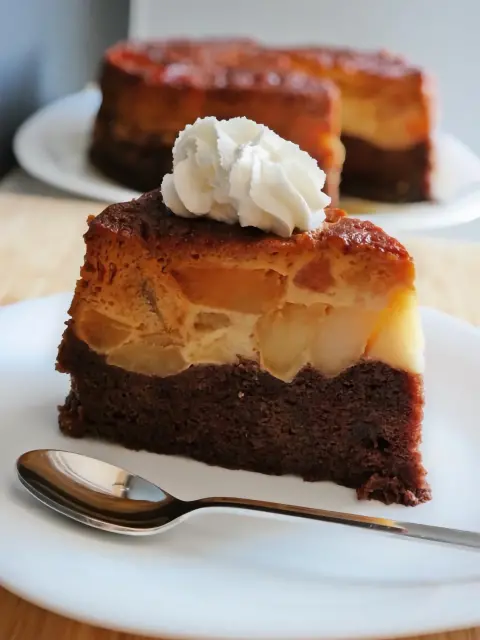


![[EN] This apple cake is made with lots of thinly sliced apples, very little batter and has a moist, compact texture. And the salted caramel sauce on top takes it to another level. 🍎🤎👉 Find the recipe on the blog – link in bio.
https://www.loredanaarion.ro/en/apple-cake-with-salted-caramel/[RO] Această prăjitură cu mere foarte multe mere feliate subțire, puțin aluat și o textură umedă și compactă. Iar deasupra vine sosul de caramel sărat, care o completează perfect. 🍎🤎👉 Găsiți rețeta pe blog – link în bio.
https://www.loredanaarion.ro/prajitura-cu-mere-si-caramel-sarat/
.
.
.
.
.
#applecake #saltedcaramel #invisibleapplecake #prajituracumere #retetacumere](https://www.loredanaarion.ro/wp-content/uploads/2026/08/793678090_18619152523035854_5881653736870438239_n-480x640.jpg)
![[EN] A Dubai trip that has been sitting in my camera roll for far too long… and has finally made it to the blog. 😅Link in bio 🔗
https://www.loredanaarion.ro/en/dubai-vacation/[RO] O vacanță în Dubai care a stat mult prea mult timp în galeria foto… și care, în sfârșit, a ajuns pe blog. 😅Link in bio 🔗
https://www.loredanaarion.ro/vacanta-dubai/.
.
.
.
#Dubai #DubaiTravel #DubaiVacation #VisitDubai #ExoticVacation](https://www.loredanaarion.ro/wp-content/uploads/2026/08/782455807_18616775566035854_5079182756366064778_n-360x640.jpg)




![[EN] This apple cake is made with lots of thinly sliced apples, very little batter and has a moist, compact texture. And the salted caramel sauce on top takes it to another level. 🍎🤎👉 Find the recipe on the blog – link in bio.
https://www.loredanaarion.ro/en/apple-cake-with-salted-caramel/[RO] Această prăjitură cu mere foarte multe mere feliate subțire, puțin aluat și o textură umedă și compactă. Iar deasupra vine sosul de caramel sărat, care o completează perfect. 🍎🤎👉 Găsiți rețeta pe blog – link în bio.
https://www.loredanaarion.ro/prajitura-cu-mere-si-caramel-sarat/
.
.
.
.
.
#applecake #saltedcaramel #invisibleapplecake #prajituracumere #retetacumere](https://scontent-otp1-1.cdninstagram.com/v/t51.82787-15/793678090_18619152523035854_5881653736870438239_n.jpg?stp=dst-jpg_e35_tt6&_nc_cat=104&ccb=7-5&_nc_sid=18de74&efg=eyJlZmdfdGFnIjoiQ0FST1VTRUxfSVRFTS5iZXN0X2ltYWdlX3VybGdlbi5DMyJ9&_nc_ohc=z5VzJUemf2MQ7kNvwEOCV4L&_nc_oc=Ado_o_-9h_1P8d3TPkgwdBD1o_FD3wjdL9kw0bTMXj12CGCQSA-OTIHeLQGt143stgg&_nc_zt=23&_nc_ht=scontent-otp1-1.cdninstagram.com&edm=ANo9K5cEAAAA&_nc_gid=HcIvFPi521oPyQXSApqIYg&_nc_tpa=Q5bMBQJJxFF1NiY8mIOqdJMdrgWKIW8YDF_gCxaPC9BCE-XRK3kMDsetZ2rCiMK1eL1-BUi0hkpyI8Dg&oh=00_AQOvx5odQIs7XOlTDuVWtM-AInQ4gol2OcJf0X2H1z6O9w&oe=6AD74581)
![[EN] This apple cake is made with lots of thinly sliced apples, very little batter and has a moist, compact texture. And the salted caramel sauce on top takes it to another level. 🍎🤎👉 Find the recipe on the blog – link in bio.
https://www.loredanaarion.ro/en/apple-cake-with-salted-caramel/[RO] Această prăjitură cu mere foarte multe mere feliate subțire, puțin aluat și o textură umedă și compactă. Iar deasupra vine sosul de caramel sărat, care o completează perfect. 🍎🤎👉 Găsiți rețeta pe blog – link în bio.
https://www.loredanaarion.ro/prajitura-cu-mere-si-caramel-sarat/
.
.
.
.
.
#applecake #saltedcaramel #invisibleapplecake #prajituracumere #retetacumere](https://scontent-otp1-1.cdninstagram.com/v/t51.82787-15/793580677_18619152571035854_6441160978434826045_n.jpg?stp=dst-jpg_e35_tt6&_nc_cat=104&ccb=7-5&_nc_sid=18de74&efg=eyJlZmdfdGFnIjoiQ0FST1VTRUxfSVRFTS5iZXN0X2ltYWdlX3VybGdlbi5DMyJ9&_nc_ohc=KAX5PqM832MQ7kNvwEEvgP8&_nc_oc=AdoYjKq-Ct7zYTx9g8nxJK5TcEWwtcPVWFyXVvbUlFEEbsBgsdt0hhCTPLjsoPDTLXw&_nc_zt=23&_nc_ht=scontent-otp1-1.cdninstagram.com&edm=ANo9K5cEAAAA&_nc_gid=HcIvFPi521oPyQXSApqIYg&_nc_tpa=Q5bMBQJE-ssOOl8fDUHab4VuptSPru4H_GKD2oBrJO7ecwZ7WfuhGogrX9k8NByMkAa9UREjJjLeyhao&oh=00_AQOWG1Sa6LrBYnTY3rcILcnR6O7H_IdGU5x3NxiYyqGzYQ&oe=6AD72AB8)