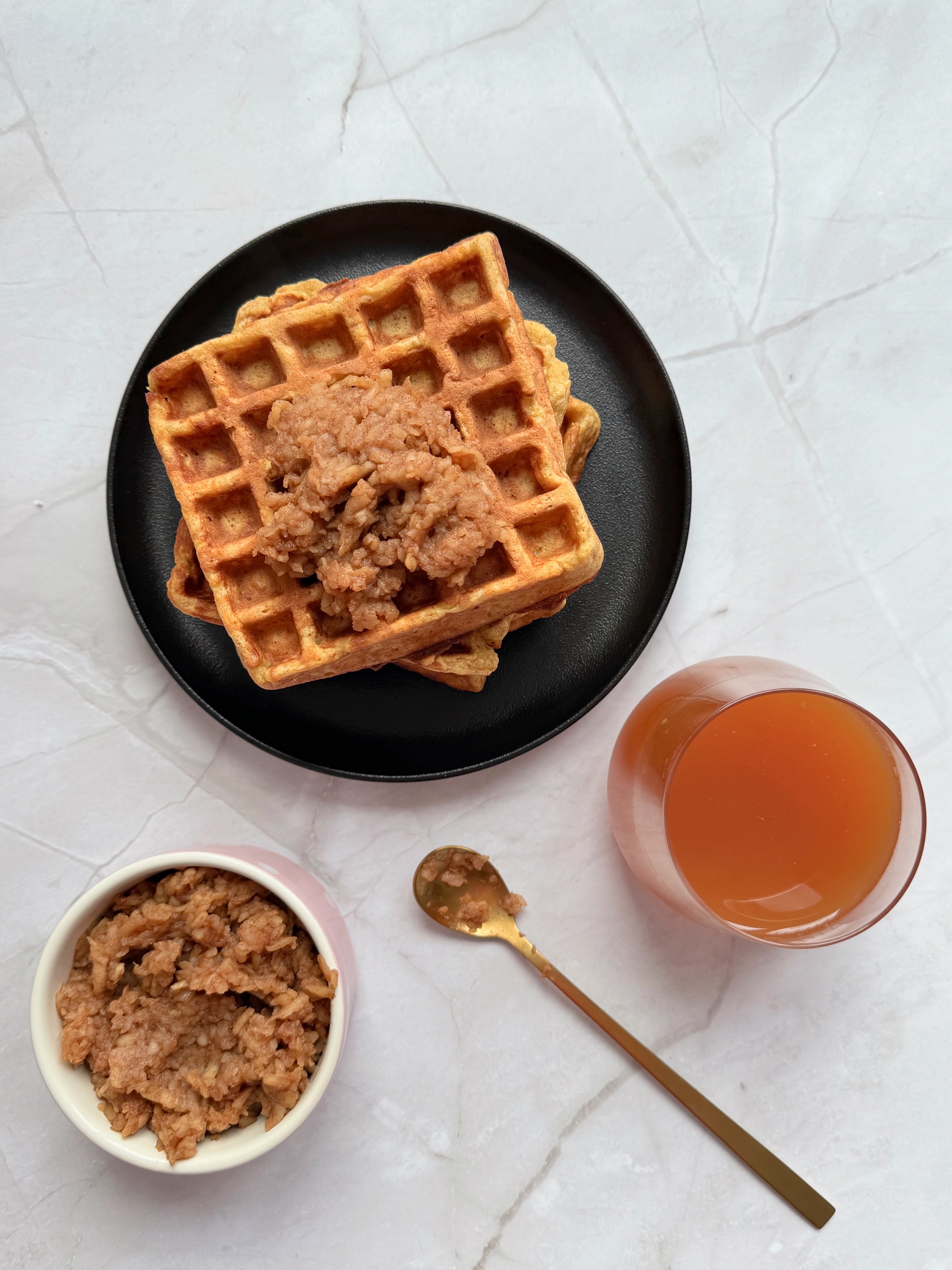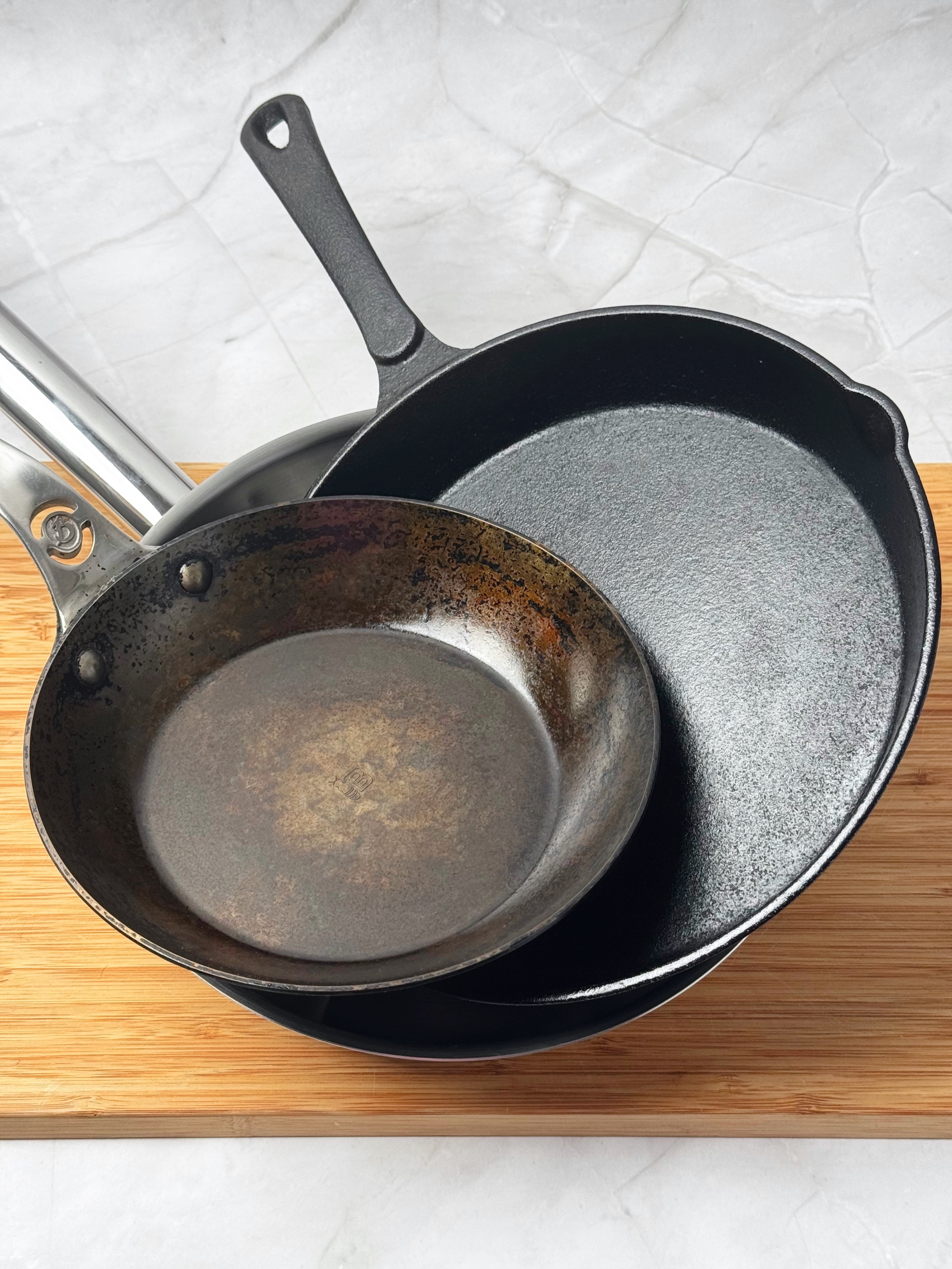
It’s been almost two years since I last had a nonstick-coated frying pan in my kitchen. These days, I cook with three pans: stainless steel, cast iron and carbon steel.
I’ve also picked up a new habit. I no longer leave the pan in the sink until the next morning.
Sometimes, being an adult means drying a frying pan properly. 🤪
I used nonstick pans because they were quick to clean and because I liked to tell myself I could cook without oil or butter. In practice, I still added a little. Whenever the coating got scratched or wore out, I replaced the pan. For me, that was about once a year.
Once I started reading about nonstick coatings and how they hold up over time, I decided to try something different. That’s how I ended up with stainless steel, cast iron and carbon steel.
I didn’t want to spend too much upfront in case I couldn’t get used to cooking with these pans. Now that I know what I reach for most, I can see myself investing in some professional-grade cookware down the line.
The stainless steel pan
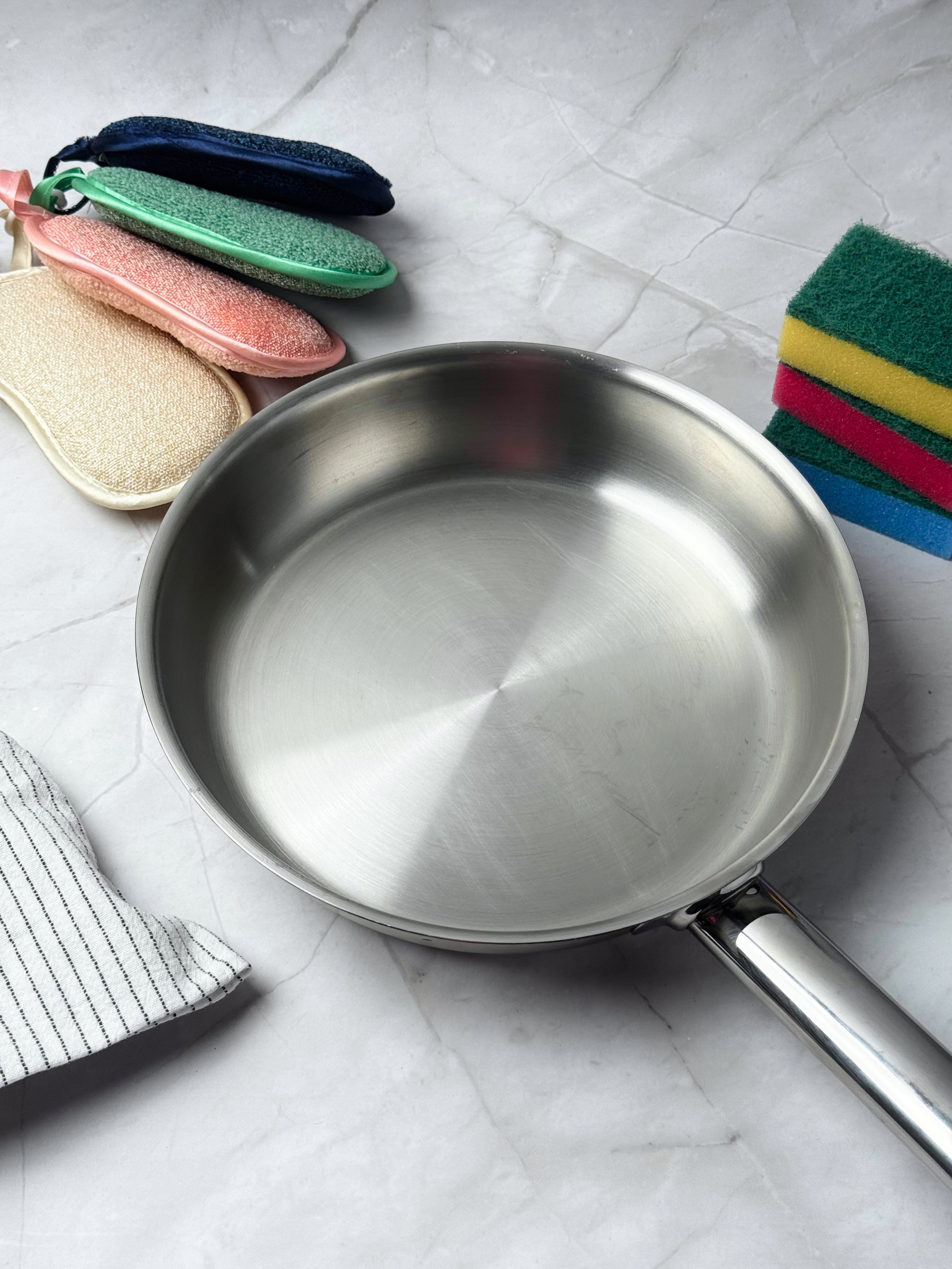
Mine is a 24 cm Demeyere Restoline from KitchenShop. It’s the one I reach for most often, whether I’m making chicken breast, fish, sautéed vegetables, pasta sauce, shakshuka or a stew.
I especially like using it to brown meat and make a sauce in the same pan. As long as the little bits stuck to the bottom are browned rather than burnt, they’re a great starting point for a sauce. I add a splash of liquid and scrape them up.
The part that takes some getting used to is that food can stick. How hot the pan is, how much fat you use and when you try to turn the food all make a difference.
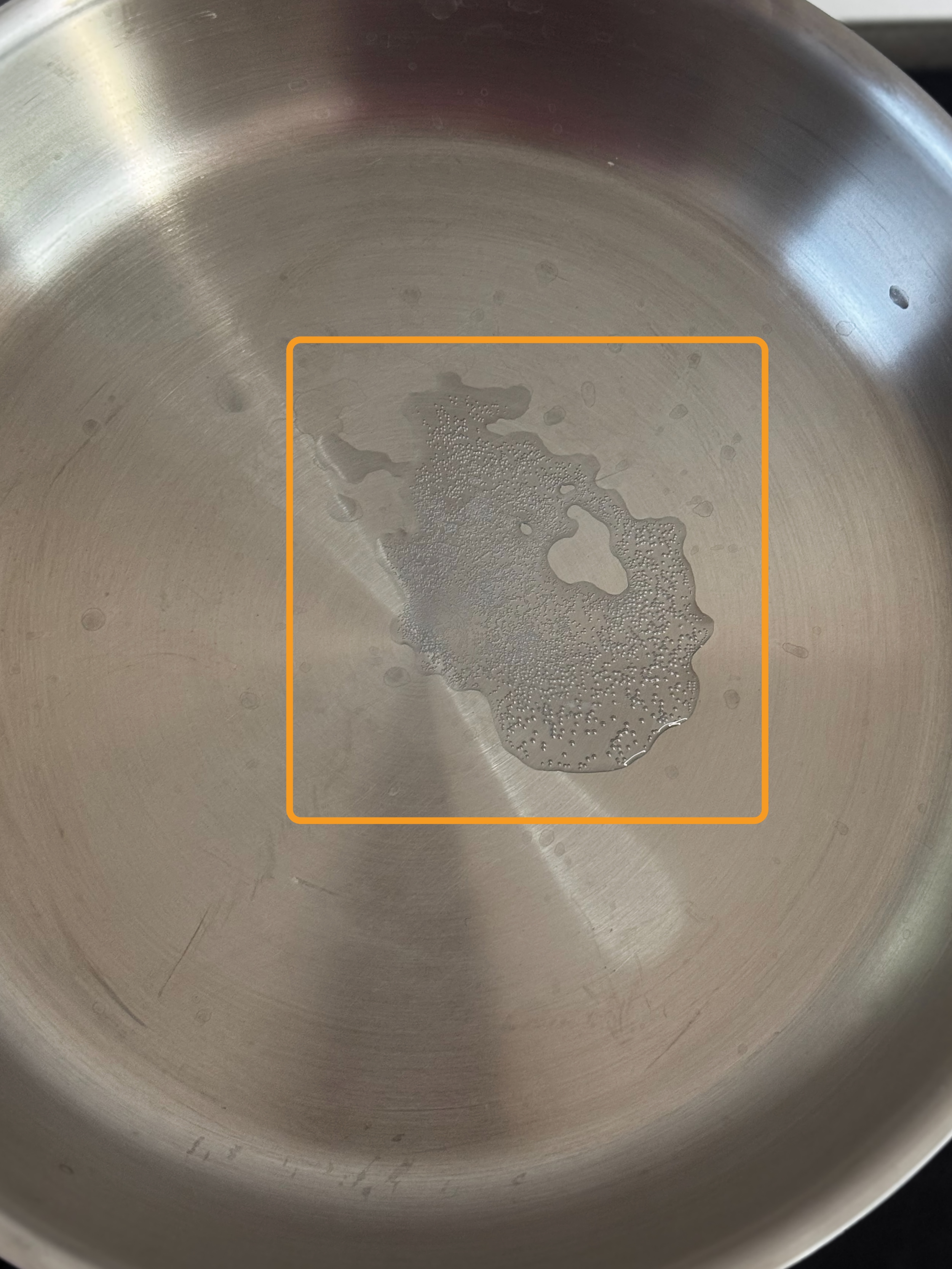
I heat the pan gradually over medium heat. When I’m going to sear something, I sometimes check it with a few drops of water. If the water spreads and bubbles, I give the pan a little longer. If it beads up, I remove the water before adding any oil or butter. I still adjust the heat for whatever I’m cooking.
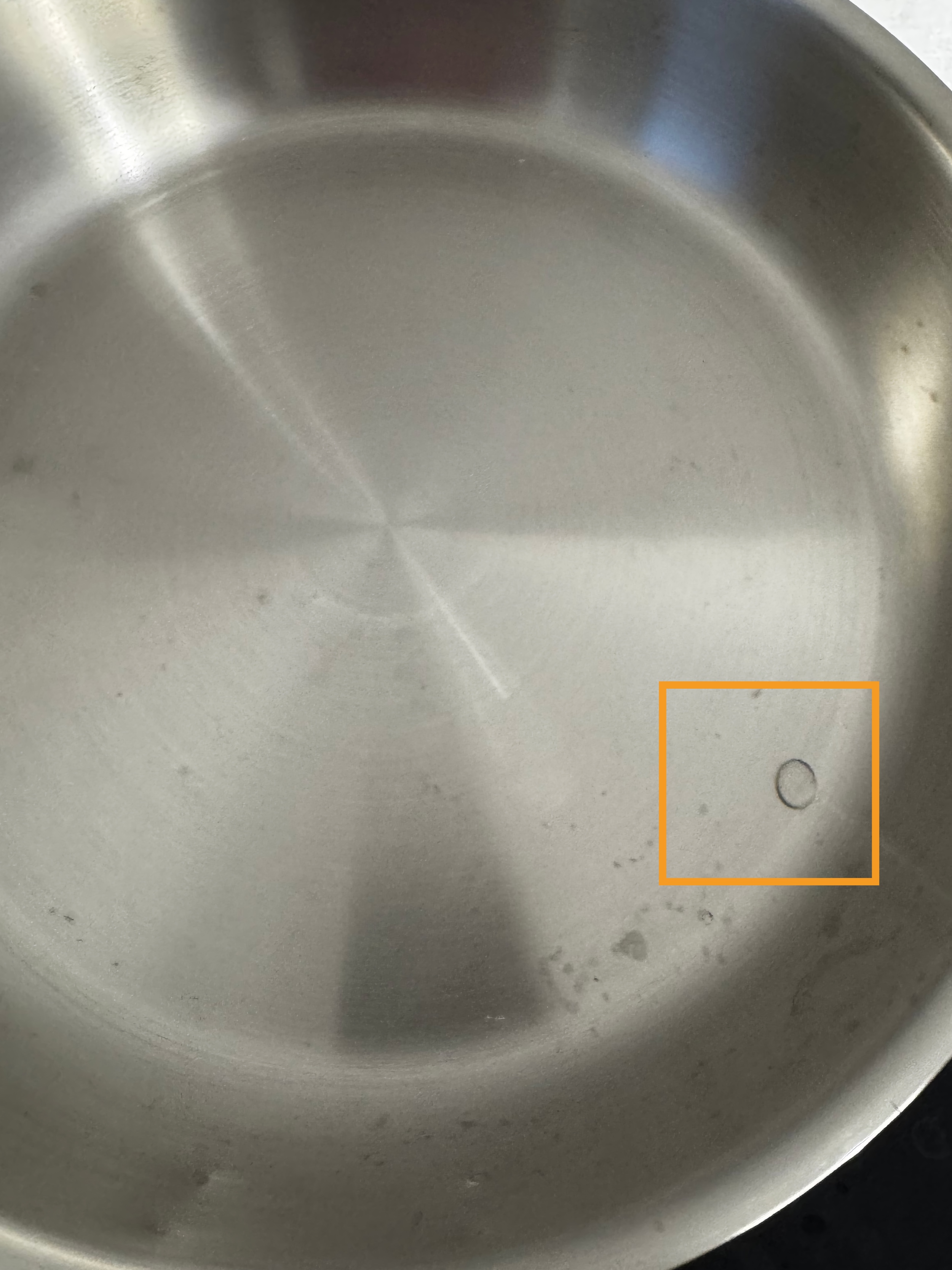
Once the food goes in, I try to leave it alone. Meat often releases more easily once it’s browned, so there’s no need to try flipping it every three seconds.
I know. Sometimes patience is the hardest ingredient to find.
This is also the easiest of my three pans to clean. It’s dishwasher-safe, and that’s usually where it goes. If I need it again sooner, I wash it by hand with dish soap and a sponge. If food is stuck to the bottom, I give it a short soak in warm water first.
The cast iron skillet
When I think of cast iron, I think of my grandmother’s fried potatoes. She cooked them in a cast iron pot, and of all the fried potatoes I’ve ever had, hers are the ones I remember best.
I wasn’t looking for a cast iron skillet when I bought mine. I liked how it looked and thought it would look good in my food photos. 😇 I paid about €10 for it. I can’t remember whether I got it at Metro or Selgros, but it says “Cooking by Henner” on the bottom. It’s a bare cast iron.
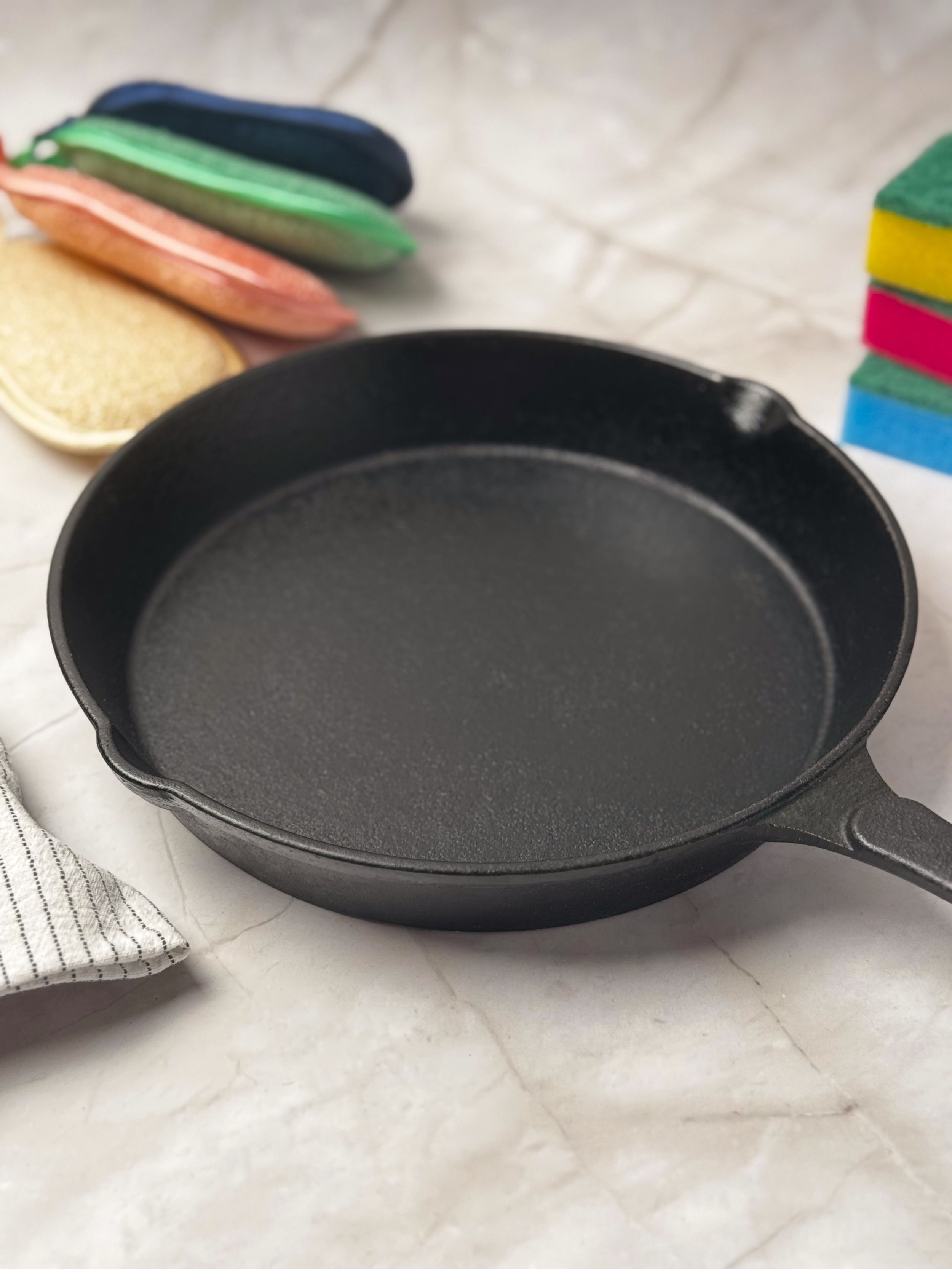
I didn’t expect to use it much, but it’s now the pan I reach for most after stainless steel.
It’s heavy and takes a while to heat up, but it holds heat well. I use it for searing, fried potatoes, schnitzels and fried eggs, as well as dishes I start on the stovetop and finish in the oven.
I heat it over low to medium heat before adding any fat. I don’t turn the burner all the way up to hurry things along: once the skillet is hot, it stays hot for a while, even after I turn the heat down.
After cooking, I let it cool a little, then wash it by hand with warm water and a little mild dish soap. I don’t leave it to soak or put it in the dishwasher. I dry it right away, sometimes finishing it over low heat on the stove, then wipe it with a very thin layer of oil.
The carbon steel pan
My carbon steel pan is a 20 cm de Buyer Mineral B PRO, also from KitchenShop. I use it for steak, omelets, crêpes and sautéed vegetables, though it’s the one I use least often.
Before I used it for the first time, I seasoned it with oil and heat, following the manufacturer’s instructions. It darkened so quickly that it looked like I’d been cooking with it for years.
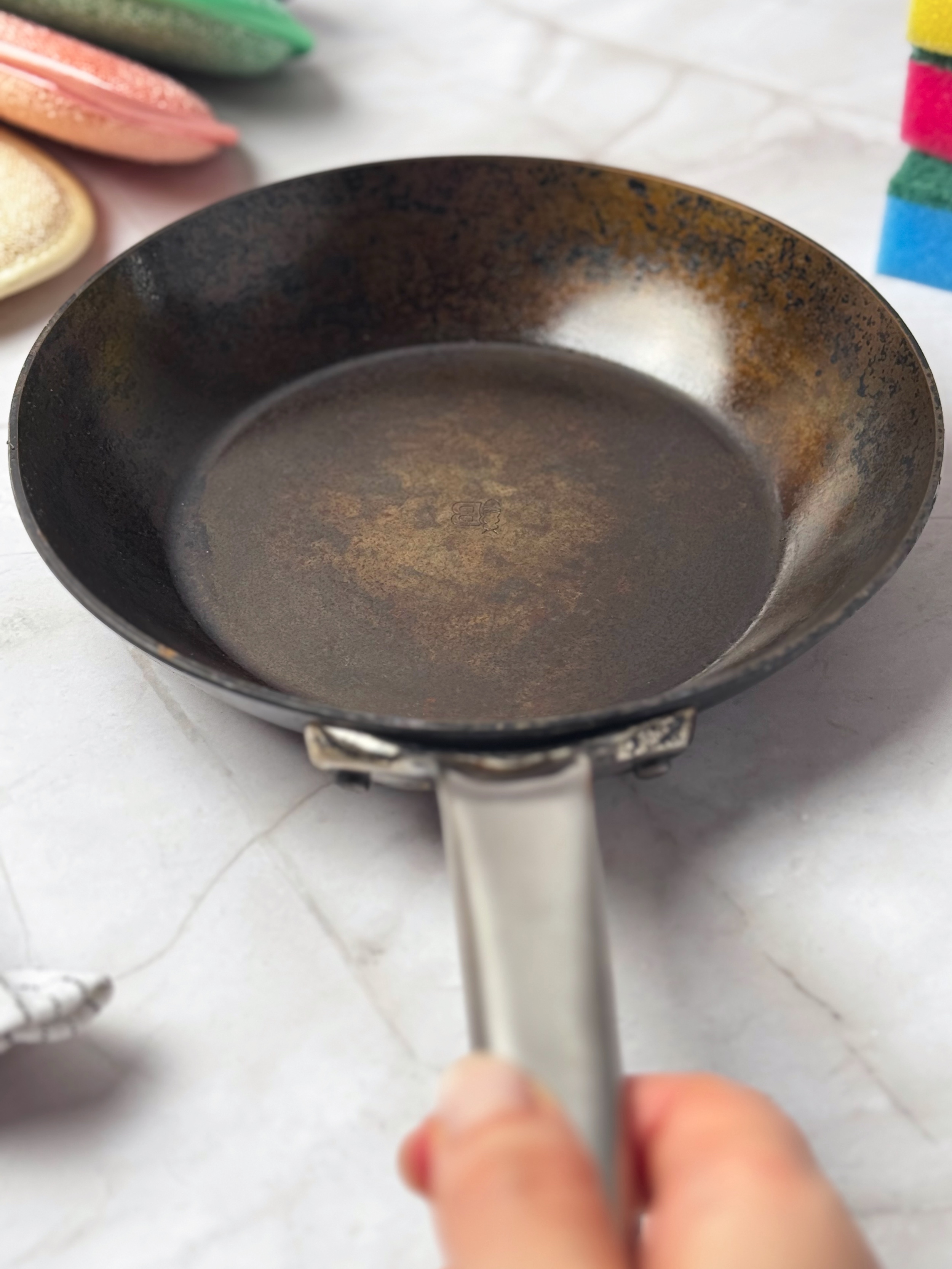
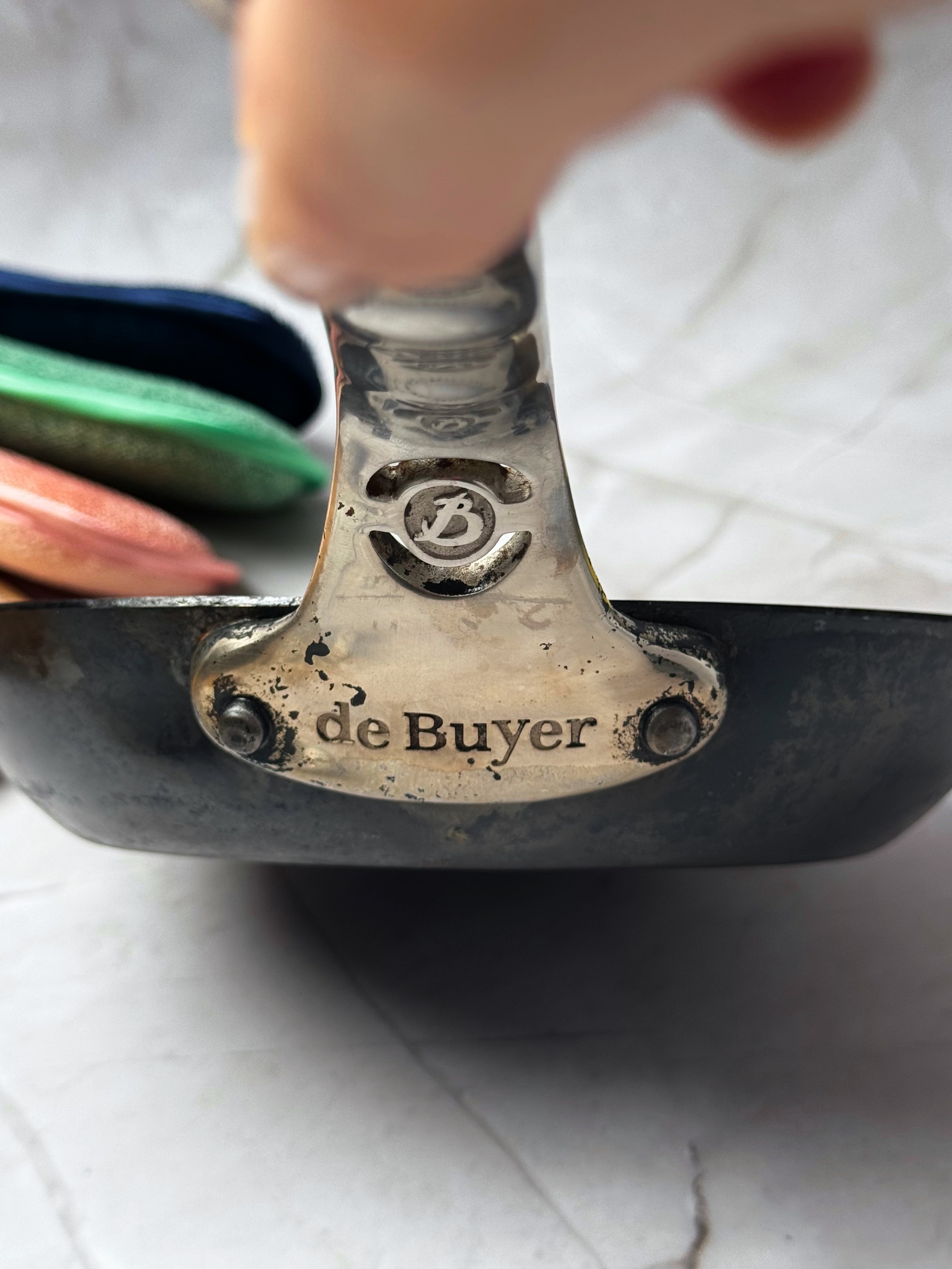
I know it’s normal for carbon steel to darken unevenly. It still bothers me a little that the pan sometimes looks like I haven’t washed it. 😅
The seasoning helps food release, but I still use a little oil and pay attention to the heat. I warm the pan gradually and don’t leave it empty over high heat.
The care instructions say to avoid dish soap, but I’ve used a little when there was a lot of burnt-on grease. After washing and drying the pan completely, I renewed the seasoning. I went through three to five rounds of warming the pan, wiping on a very thin layer of oil and letting it cool before starting again. That’s what I did on those occasions; it isn’t part of my everyday cleanup.
Most of the time, a sponge, a brush or a pan scraper is enough to remove anything stuck to the surface. As with cast iron, I skip the soak, dry the pan straight away and wipe it with a little oil.
For tomato sauces and other acidic dishes that need a longer simmer, I reach for stainless steel. A long simmer with acidic ingredients can wear down the seasoning on cast iron and carbon steel.
I thought all this washing, drying and oiling would get on my nerves and I’d go straight back to nonstick. Surprisingly, I like the little routine. And I feel a bit proud when I see how well the pans are holding up.
This post contains affiliate links. If you choose to make a purchase, book an activity, or use a service through these links, I may receive a small commission at no additional cost to you.