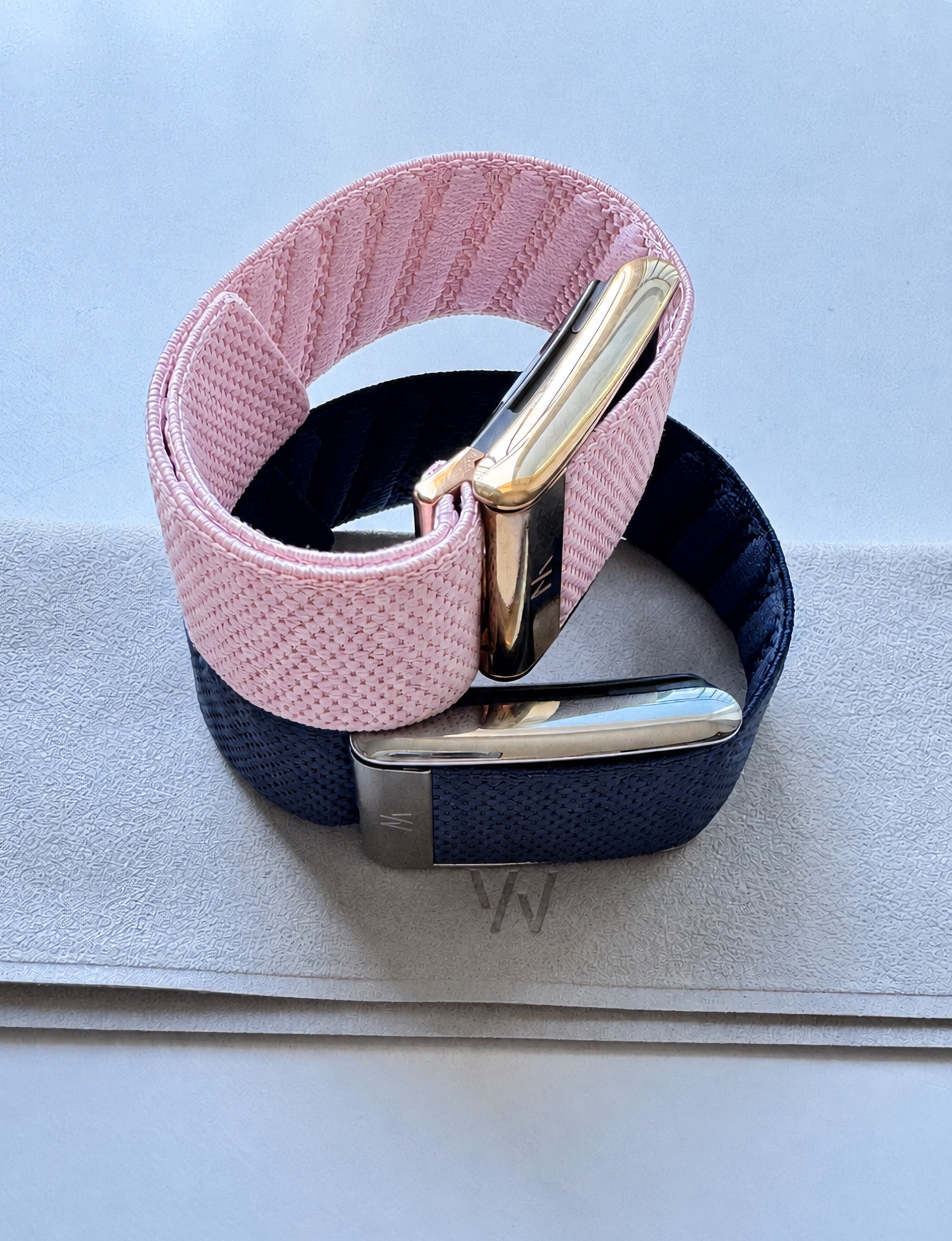
I have to admit, I’m not exactly a big athlete. I didn’t get the Whoop Band to track my workouts or monitor recovery after exercise. But I do like having data about myself.
I’ve been using gadgets like these for a very long time. I started with a Mi Fit band that a friend gave me as a gift. It didn’t last very long, and I upgraded to a Fitbit. Later, I switched to an Apple Watch and stayed loyal to it for many years.
The reason I eventually gave up my Apple Watch was, somewhat ironically, also related to activity tracking. During the pandemic, the notification telling me I hadn’t hit my daily step goal had become a stressor. So I got rid of it.
A watch doesn’t get to hold me accountable. 😂
After that, I felt like I needed a “companion” to gently push me to become a little more active and stop spending quite so many hours at my desk.
*Le husband was the one who did the research, and we decided to give Whoop Bands a try. The whole concept was completely new to us. I didn’t know anyone in our circle who was using a subscription-based wearable.
It felt strange to pay for a device and then not really be able to use it if you stopped paying the subscription.
But the reviews were good. *Le husband wanted something to track his sleep, while I wanted something that was “gold and shiny”, so we both signed up.
We’ve been using them for almost two years now, so I feel like I can finally draw some conclusions about my Whoop experience.
What Does Whoop Actually Track?
One of the differences I’ve noticed compared to the gadgets I’ve used in the past is that Whoop isn’t just about telling you, “You’ve hit X number of steps today”.
The band focuses on things like sleep, stress, HRV (Heart Rate Variability), RHR (Resting Heart Rate), Strain, and Recovery.
And for me, the interesting part wasn’t necessarily each individual number, but the fact that after almost two years, I started noticing certain patterns.
Stress Levels
I knew I was generally a stressed person, but not quite this stressed. 😅
Looking at my Whoop data showed me that my nervous system is frequently running “high”, even on days when I’m not doing any intense workouts.
That was probably one of the most interesting discoveries for me.
Because you can go through a day thinking it was a perfectly “normal” day. You didn’t go running, you didn’t hit the gym, you didn’t do anything particularly demanding. You sat at your desk, had a few meetings, dealt with a couple of problems, and that was it.
Except your body apparently didn’t get the memo.
In my case, days with several hours of medium and high stress tend to show up later in my other metrics too: lower HRV, higher RHR and, quite often, lower Recovery.
In other words, for me, everyday stress seems to have a bigger impact on my Recovery than the workouts themselves.
Sleep
I knew that, in general, I sleep well, even without wearing a band.
I get enough sleep, my sleep efficiency is usually good and, overall, I’ve never considered sleep to be one of my major problems.
What I didn’t know, however, was that I could get enough hours of sleep and still experience sleep stress.
In other words, I could spend a significant portion of my sleep in medium or high stress zones.
I found that really interesting because it changed the way I think about sleep.
It’s not just:
“I slept for 8 hours, so I must be fine.”
What also matters is what that night actually looked like for your body.
I’ve noticed that when I’m going through a particularly stressful period, my data can look different even if I’m not necessarily getting fewer hours of sleep.
And this brings me to one of my biggest takeaways after almost two years with Whoop:
my body seems to function really well when I give it a stable routine.
Daily Activity
I don’t consider myself a sedentary person, but I wouldn’t call myself active either.
I’m somewhere in the middle. I have periods when I’m more active and others when it’s hard enough to get myself out of bed.
And that’s pretty much what my Whoop data tells me too: I’m not at either extreme.
My Strain is generally moderate. I have plenty of days somewhere between 5 and 10, with a few higher spikes here and there.
That confirmed something important for me: my workouts don’t seem to be my main enemy when it comes to Recovery.
My body seems to handle a few more active days pretty well, especially when that activity involves light movement, walking or my usual workouts.
The problem seems to come when several things pile up at once: high stress + poor sleep + not enough recovery.
What Habits Have I Changed Since I Started Wearing Whoop?
I think this is probably the most important part of my experience with the Whoop Band.
I didn’t buy it to become an athlete, and I certainly didn’t wake up one morning and start walking 10,000 steps a day.
But I did change a few things.
1. Sleep Schedule
I’ve started paying more attention to keeping a relatively consistent bedtime.
I don’t get it right every time, obviously.
But I’ve realized that sleep consistency matters a lot for me.
When I get enough sleep and stick to a somewhat regular routine, my data tends to look better. When I start pushing my bedtime later and later, I can see the effects.
2. Three Workouts a Week
I’ve settled on a simple goal: three workouts a week.
Whether I feel like it or not, whether I have plenty of energy or none at all, I try to stay consistent.
I’m not trying to make every workout as hard as possible. For me, right now, consistency is more important than intensity.
And I think that’s one of the lessons I’ve learned from my Whoop data: consistency beats perfection.
3. Breathing Exercises When I Feel My Heart Rate Going Up
This is one of the changes I never expected to make.
When I feel my heart rate going up or find myself in a stressful situation at work, I take a few minutes to focus on my breathing.
Nothing fancy.
I don’t go into a special room, light candles or meditate for 45 minutes. 😆
I simply stop for a few minutes and breathe consciously.
For me, it has become a little “downshift” whenever I feel like my nervous system is getting a bit too wound up.
4. At Least 5,000 Steps a Day
For some people, that probably sounds like very little.
But I started at an average of around 2,000 steps a day when we first got our Whoop Bands.
Now my average is around 5,030 steps a day, and I’m planning to increase that goal in the near future.
I wasn’t interested in suddenly hitting 10,000 steps a day just because that’s what everyone says you should do.
I preferred to increase my daily activity gradually.
For me, the difference between 2,000 and 5,000 steps a day is already a pretty big one.
What I’ve Learned About HRV and RHR
Two of the metrics I’ve ended up paying the most attention to are HRV and RHR.
HRV is Heart Rate Variability, while RHR is Resting Heart Rate.
I don’t obsess over a single day. The pattern over time is much more interesting.
In my case, good days tend to look something like this:
Higher HRV + lower RHR compared to my baseline + good sleep + lower stress = better Recovery.
And when the story is reversed, things tend to go in the opposite direction:
Lower HRV + higher RHR + high stress = poorer Recovery.
For example, I’ve noticed that when my HRV is around 35–40+ ms and my RHR is within my usual range, around 63–66 bpm, I’m more likely to have a green Recovery day.
When my HRV drops to around 23–30 ms and my RHR goes up to 70 bpm or higher, I’m more likely to see a yellow or red day.
Obviously, these are my personal numbers and patterns, not universal thresholds.
And that’s exactly what I find useful about Whoop: over time, you start to understand what your normal looks like and what happens when you move away from it.
The Pros of the Whoop Band
You Can Wear It Almost All the Time
One of the things I like most about Whoop is that I can wear it pretty much all the time.
The battery pack that charges the band attaches directly to it, so I don’t have to take it off to charge it.
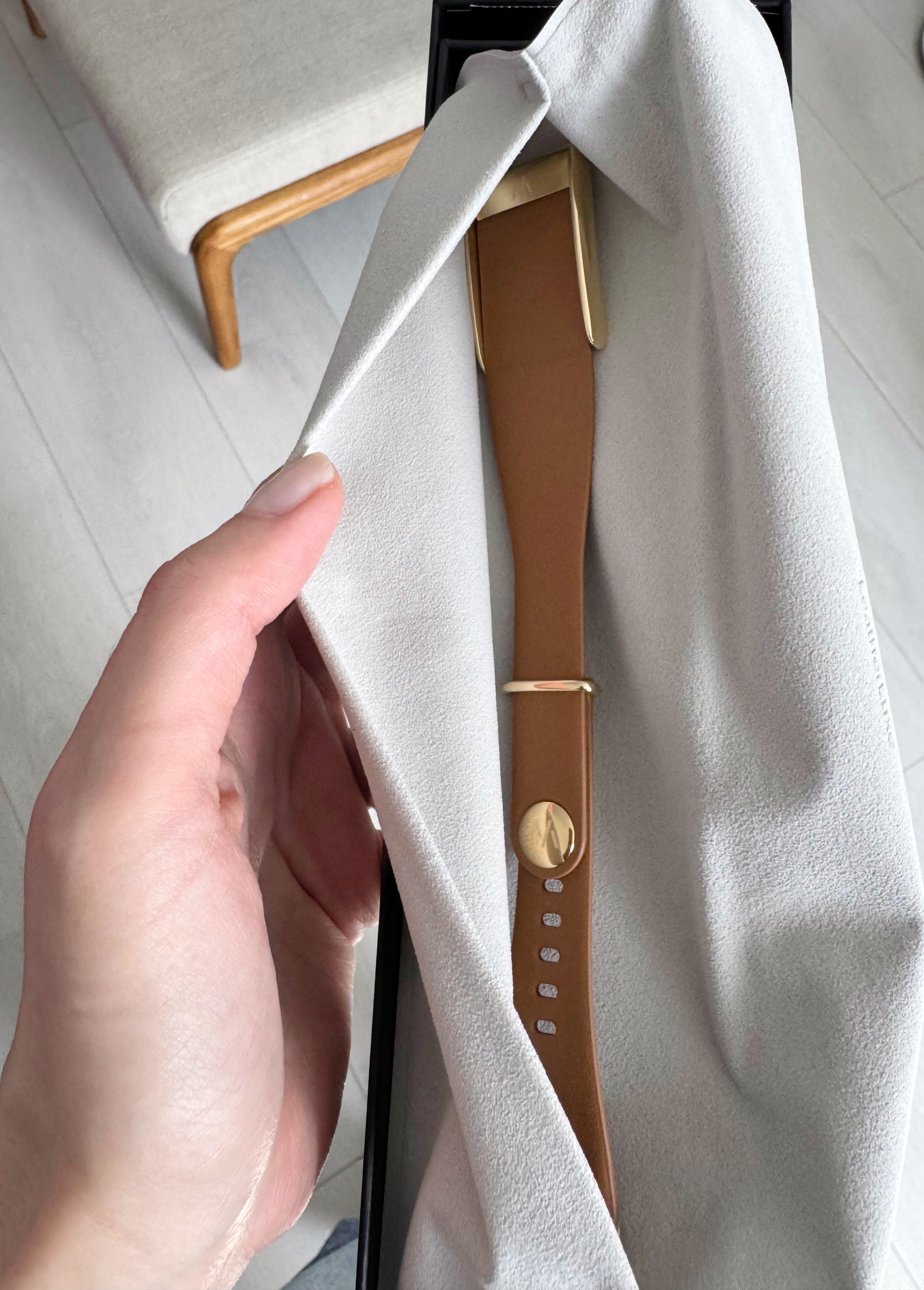
When I’m wearing a leather or cashmere band, I only take it off when I shower, so I don’t damage the material.
For me, this is important because I want to have as much continuous data as possible. If I had to remember to take my gadget off and charge it every day, there’s a good chance I’d forget.
Plus, the battery lasts around 14 days, which makes the whole thing even easier.
It Doesn’t Stress You Out With Notifications
This was actually one of the reasons I ended up liking Whoop so much.
It doesn’t send me notifications. It doesn’t vibrate. It doesn’t tell me I need to get up. It doesn’t scold me for not hitting my step goal.
And for someone who gave up an Apple Watch precisely because the gadget had started to feel like a stressor, that difference matters a lot.
Whoop is more of a gadget I check than one that checks up on me.
It’s Stylish
I’ll admit it: this part mattered to me.
The Whoop Band can easily become a fashion accessory.
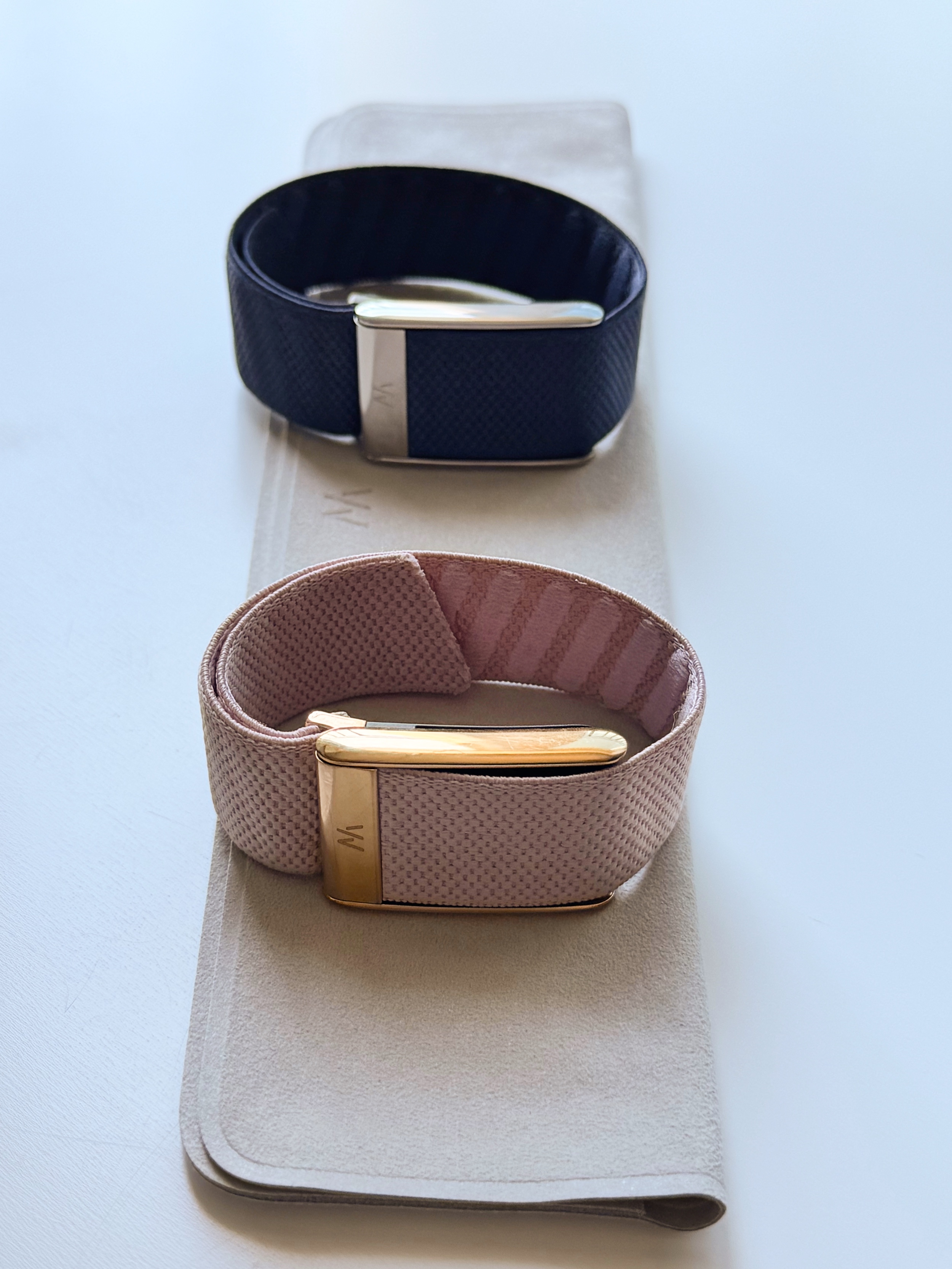
I like changing the straps and matching them to my outfit.
Yes, I know. *Le husband got his Whoop for sleep tracking, while I got mine because it was “gold and shiny”. 😂
But after almost two years, I can still say that I like the way it looks and, more importantly, I never feel like I’m wearing a medical device or a bulky gadget on my wrist.
The Cons of the Whoop Band
It Requires a Subscription
This is probably the biggest downside for me.
Whoop works on a subscription model.
In other words, it’s not the kind of device you buy once and then you’re done. There’s an ongoing cost.
And if you stop paying for the subscription, the functionality you actually bought the device for essentially becomes useless.
I understand the concept, and I understand why the subscription exists, but it’s still an ongoing cost you need to factor in.
The Subscription and Accessories Aren’t Cheap
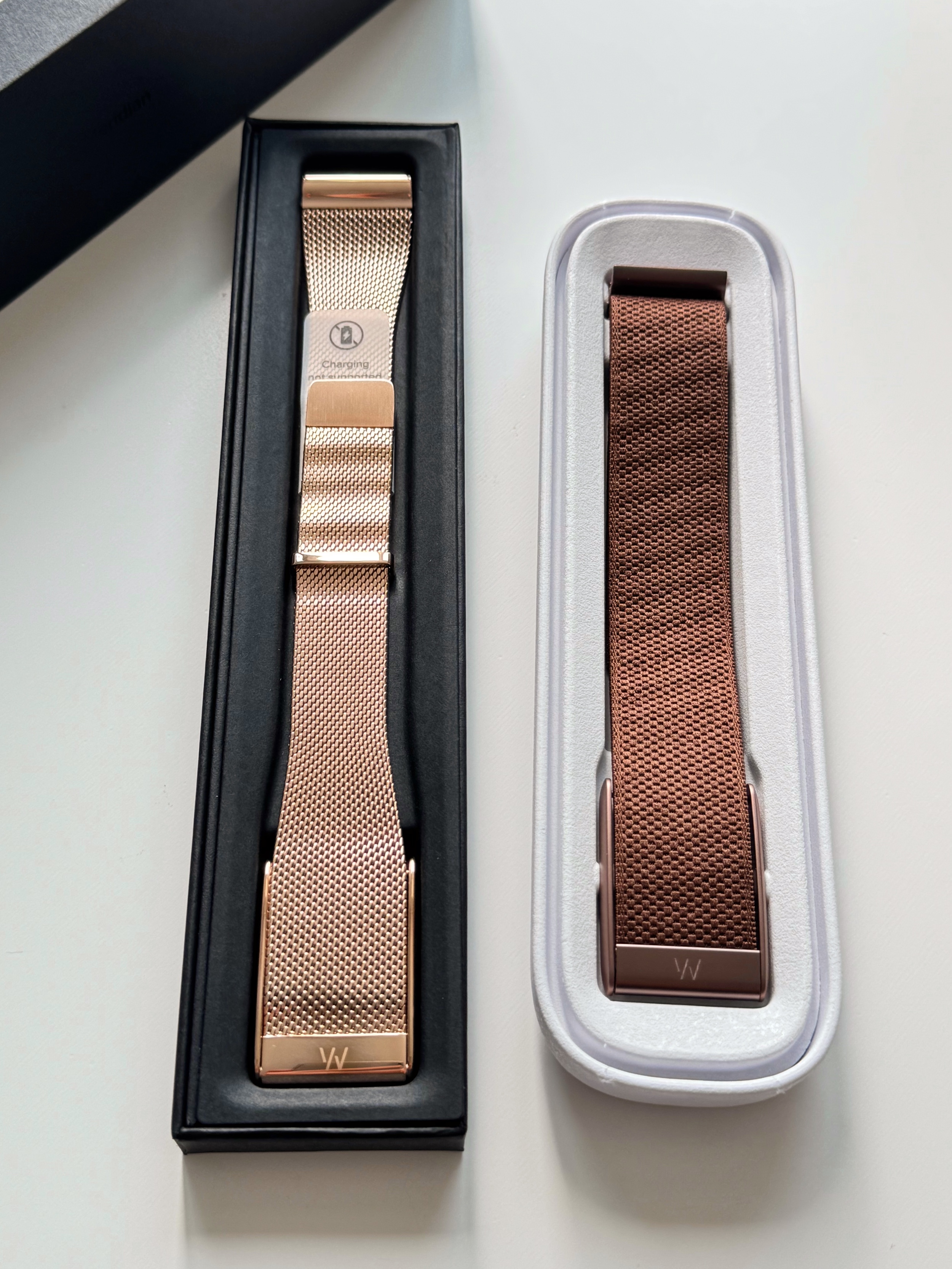
On top of the subscription, there are also the accessories.
And if you’re the kind of person who likes changing the strap to match your outfit, the costs can add up.
It’s not a cheap gadget, and I don’t think it’s trying to be.
From my point of view, Whoop is a product for someone who genuinely wants to use and learn from their data over the long term.
Is Whoop Worth It?
After almost two years, my answer is: for me, yes.
But not because it turned me into a super-athletic person.
It didn’t make me want to start running, and it certainly didn’t convince me to walk 20,000 steps a day.
What it did do was show me patterns I probably wouldn’t have noticed otherwise.
I realized that everyday stress affects me more than I thought, that sleep isn’t just about the number of hours I get, and that my body responds really well to having a consistent routine.
I also realized something else: I don’t necessarily need to exercise more. I need to be more consistent with movement, get enough sleep, and stop letting stress run at full speed every single day.
For me, Whoop is less about fitness and more about understanding what’s going on with my body.
And that’s probably why, after almost two years, I’m still wearing it.
Want to Try Whoop?
If you’re curious to see how it works and whether it’s worth it for you before committing long-term, *le husband has a link that lets you try Whoop free for one month.